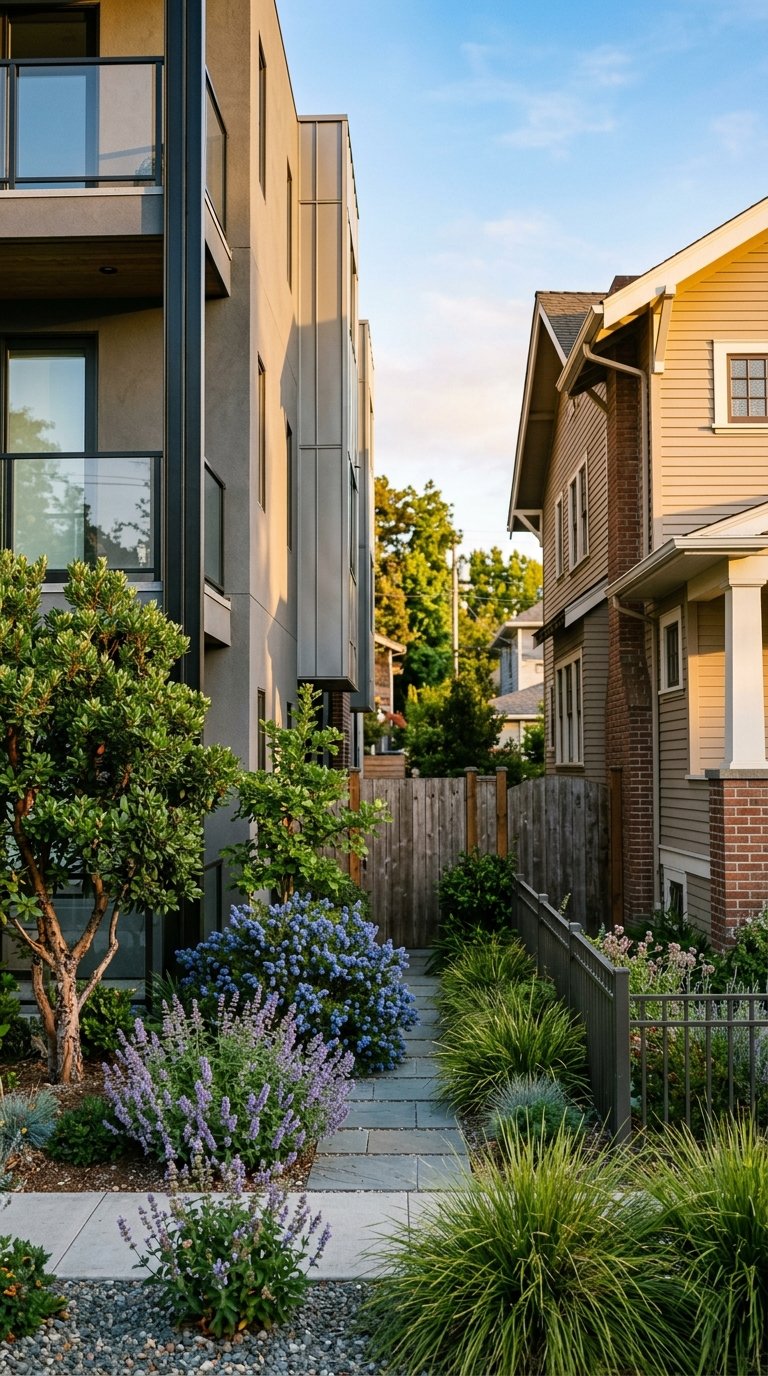
If you are deciding between a condo and a house in Walnut Creek, the biggest question is not just what you can buy. It is how you want to live, what monthly costs you can comfortably carry, and how much responsibility you want to take on after closing. In a market where attached homes and detached homes can differ sharply in price, pace, and upkeep, understanding the tradeoffs can help you make a more confident move. Let’s dive in.
Price differences in Walnut Creek
For many buyers, the first major difference is the entry price. According to Bay East’s February 2026 Walnut Creek attached-housing report, which includes Walnut Creek and Rossmoor, the median sales price for attached housing was $632,500. In the detached single-family report, the median sales price was $1.4 million. You can review those market figures in the Bay East attached-housing report.
That is a meaningful gap. In practical terms, a condo or townhome-style property may offer a more accessible path into Walnut Creek ownership, while a detached house often requires a much larger upfront investment.
The pace of the market also looks different. Bay East reported 2.5 months of inventory for attached housing versus 1.9 months for detached homes, with attached homes averaging 28 days on market and detached homes averaging 18 days. Buyers paid 100% of list price on average for attached housing and 102% of list price for detached homes, which suggests detached homes were moving a bit faster in that sample.
Monthly costs matter more than price alone
A lower purchase price does not always mean a lower monthly cost. If you buy a condo, you will likely have HOA dues in addition to your mortgage, property taxes, and insurance. The Consumer Financial Protection Bureau notes that condo or HOA fees are usually paid separately from your mortgage and can range from a few hundred dollars a month to more than $1,000 a month.
That means your budget should include the full housing payment, not just the loan amount. A condo with a lower sales price may still carry a monthly payment that feels closer to a house than you expected once dues are added.
It is also important to remember that some detached-home communities have HOAs too. The California Attorney General’s guidance on homeowner associations explains that HOA membership is often automatic in common-interest developments, and associations can set and enforce rules, fees, bylaws, and assessments. So if you are leaning toward a house to avoid an HOA, make sure you verify that before you assume.
Maintenance responsibilities are very different
One of the clearest lifestyle differences between a condo and a house is who handles what. In many condo communities, the association manages common-area maintenance and plans for long-term replacement of shared components. The California Department of Real Estate explains that owners are usually responsible for their unit interiors, while the association typically handles common-area day-to-day maintenance and major shared components.
For many buyers, that is a real benefit. If you prefer less direct responsibility for exterior upkeep, roof-related issues, landscaping, or shared amenities, condo ownership can feel simpler and more predictable.
That said, less maintenance does not mean no maintenance. HOA decisions, reserve funding, and future repairs still affect you financially, even if you are not the one hiring a contractor. That is why it is so important to understand how the association plans for future costs.
With a detached house, you usually get more control over the property. You also take on more direct responsibility for repairs, upkeep, and long-term maintenance. If having your own yard, more privacy, and fewer shared decisions matters most to you, that tradeoff may be worth it.
HOA rules can shape daily life
Condos often come with more shared governance than houses. HOAs typically create and enforce CC&Rs, community rules, fees, and standards through an elected board, according to the California Attorney General. Those rules can cover everything from exterior changes to parking, pet policies, and use of common spaces.
Some buyers appreciate that structure because it can create consistency and reduce the burden of managing exterior property details on their own. Others prefer the flexibility that often comes with a detached home, especially if they want more direct control over how they use and maintain their property.
Neither option is universally better. The right fit depends on whether you value convenience and shared services more than autonomy and private control.
Downtown access favors many condo buyers
If your goal is a more walkable, car-light lifestyle, condos near downtown Walnut Creek may stand out. Walk Score gives a downtown Walnut Creek location a score of 84 and identifies Downtown as the city’s most walkable neighborhood, compared with the citywide average of 41.
That difference can have a real impact on daily life. If you want easier access to restaurants, shopping, errands, and transit, a centrally located condo may support that lifestyle in a way that many houses farther from the core do not.
The City of Walnut Creek says the Walnut Creek BART station serves downtown and major employment and shopping areas, and the Route 4 Downtown Trolley runs seven days a week with complimentary hop-on, hop-off service between downtown destinations. The city also notes that Walnut Creek Walks covers more than 100 sites across four downtown blocks, which reinforces how accessible the downtown core can be on foot.
Walnut Creek also offers a strong amenity base in and around downtown. According to Visit Walnut Creek, the city has more than 200 boutiques and classic retail stores in and around downtown. For buyers who prioritize convenience, access, and a lock-and-leave setup, that can make condo living especially appealing.
Space and privacy often favor houses
If your priority is room to spread out, a detached house often makes more sense. Houses usually offer more private outdoor space, more separation from neighbors, and greater control over how you use the property.
That can matter if you want a larger yard, more storage, or simply a quieter residential setting away from the downtown core. It can also matter if you are thinking long term and want flexibility for future projects or lifestyle changes.
The tradeoff is that homes farther from downtown may be less walkable and may depend more heavily on driving for daily errands or commuting. For some buyers, that is perfectly fine. For others, location convenience outweighs the appeal of added space.
Resale and financing need extra attention with condos
Condo buying requires a layer of due diligence that goes beyond the unit itself. Fannie Mae’s condo project guidance notes that projects can face eligibility issues if they have critical repairs, inadequate master insurance, pending litigation, or characteristics more like hotels or short-term-rental properties. If a project has eligibility problems, financing options for future buyers can narrow.
That matters for both your purchase and your resale outlook. A well-run HOA and a strong location can support resale appeal, while a weak association can limit the buyer pool.
Fannie Mae also notes that owners share financial responsibility for common elements, which means repair costs may be paid through reserves or special assessments. The California Department of Real Estate similarly explains that reserve studies help associations plan for long-term maintenance and property-value protection. Before you buy a condo, it is wise to review the association’s dues, reserve funding, assessment history, insurance, litigation status, and rental rules.
A simple decision framework
If you are still weighing the options, this framework can help:
Choose a condo if you want
- A lower entry price than most detached homes in Walnut Creek
- Less direct responsibility for exterior and common-area maintenance
- Easier access to downtown amenities
- Better proximity to BART and a more walkable lifestyle
- A more lock-and-leave ownership experience
Choose a house if you want
- More indoor and outdoor space
- More privacy and separation from neighbors
- Greater control over the property
- Fewer shared rules and decision-making layers
- Flexibility that may come with a detached lot
In short, condos tend to make sense when convenience, lower upfront cost, and reduced exterior maintenance are your top priorities. Houses tend to make sense when space, privacy, and autonomy matter more, even if the purchase price and upkeep are higher.
How to make the right choice for you
The best decision usually comes down to your budget, your lifestyle, and your tolerance for maintenance and shared governance. A condo can be a smart fit if you want to enter the Walnut Creek market at a lower price point and stay close to downtown amenities. A house can be the better fit if you are comfortable with a larger investment and want more space and control.
If you want help comparing specific properties, monthly cost scenarios, or HOA documents, working with a local team can make the process much clearer. Teri Carlisle & Alexandra Dierkx bring a calm, strategic approach to East Bay home buying and can help you evaluate which path fits your goals best.
FAQs
What is the main price difference between condos and houses in Walnut Creek?
- Based on Bay East’s February 2026 reports, attached housing had a median sales price of $632,500, while detached single-family homes had a median sales price of $1.4 million.
Are HOA fees included in a condo mortgage payment in Walnut Creek?
- No. The Consumer Financial Protection Bureau says HOA dues are usually paid separately from your monthly mortgage payment.
Do houses in Walnut Creek ever have HOAs too?
- Yes. The California Attorney General notes that HOAs are common in condominiums and many planned communities, including some detached-home subdivisions.
Is downtown Walnut Creek more walkable for condo living?
- Yes. Walk Score identifies Downtown as Walnut Creek’s most walkable neighborhood, and a downtown location received a walk score of 84 compared with the citywide average of 41.
What condo documents should buyers review before purchasing in Walnut Creek?
- Buyers should closely review HOA dues, reserve funding, special-assessment history, insurance, litigation, and rental rules because those factors can affect financing and resale.