If you want East Bay convenience without giving up a neighborhood-scale feel, Albany is worth a close look. This compact city at the Berkeley border offers a distinctive mix of walkable routines, older homes, local parks, and shoreline access that can feel more personal than its size suggests. Whether you are thinking about buying here or simply trying to understand what daily life looks like, this guide will help you get your bearings. Let’s dive in.
Why Albany Feels Different
Albany is small by design and by geography. The city has an estimated population of 19,195 and covers just 1.79 square miles, which gives it a compact footprint and a close-in feel.
That small scale shapes everyday life. Albany’s planning documents describe the city as mostly residential, with a continuous grid of small blocks and relatively small lots across much of the community. In practice, that often means shorter local trips, a neighborhood rhythm, and a stronger sense of connection between homes, shops, parks, and transit.
Albany’s Small-Town Feel
When people describe Albany as having a small-town feel, they are usually talking about how the city functions day to day. You are not looking at a spread-out suburb with long drives between errands. Instead, you get a compact East Bay city where familiar commercial streets, local parks, and established neighborhoods sit close together.
The city itself uses similar language, noting a small-town ambience paired with a central Bay Area location. That balance is a big part of Albany’s appeal. You can stay rooted in a neighborhood setting while still being well connected to Berkeley and the broader East Bay.
What Homes Look Like in Albany
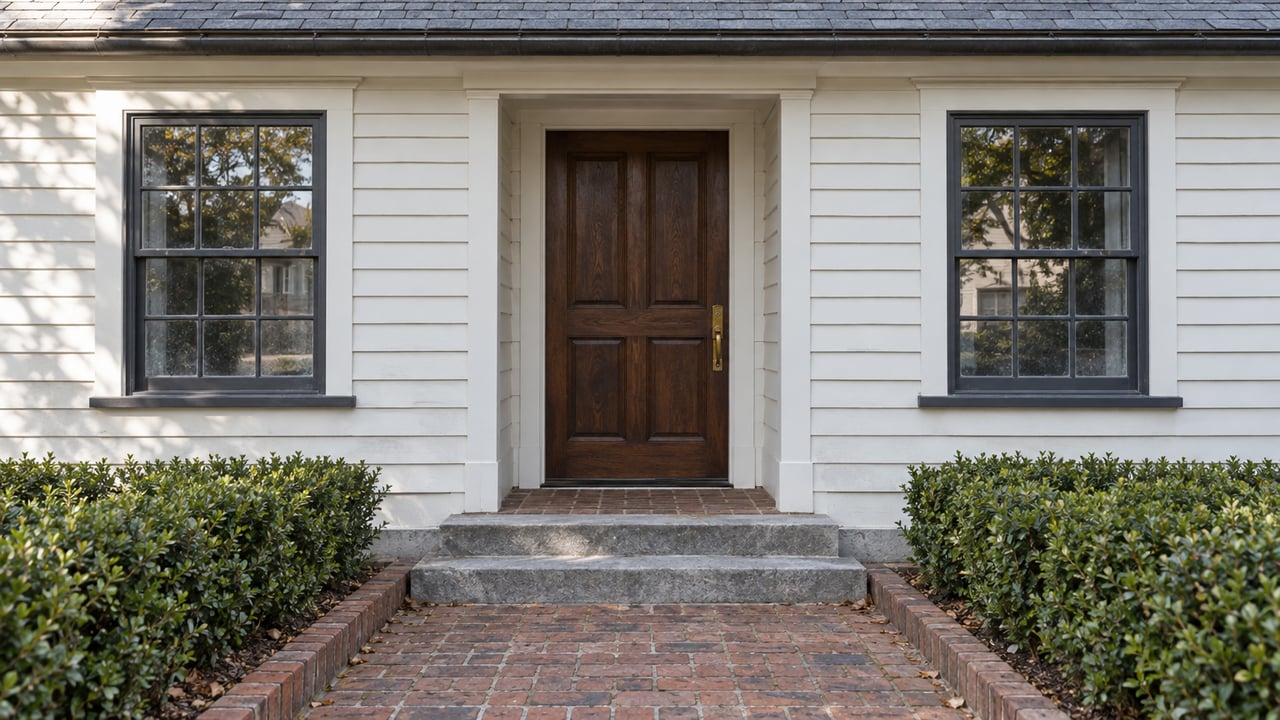
Albany’s housing stock is varied, but it leans heavily toward older single-family homes. The city’s land-use inventory estimates about 4,000 single-family homes, around 800 units in townhomes and two-to-four-unit buildings, about 2,000 apartment and condo units, and 973 residential units in University Village.
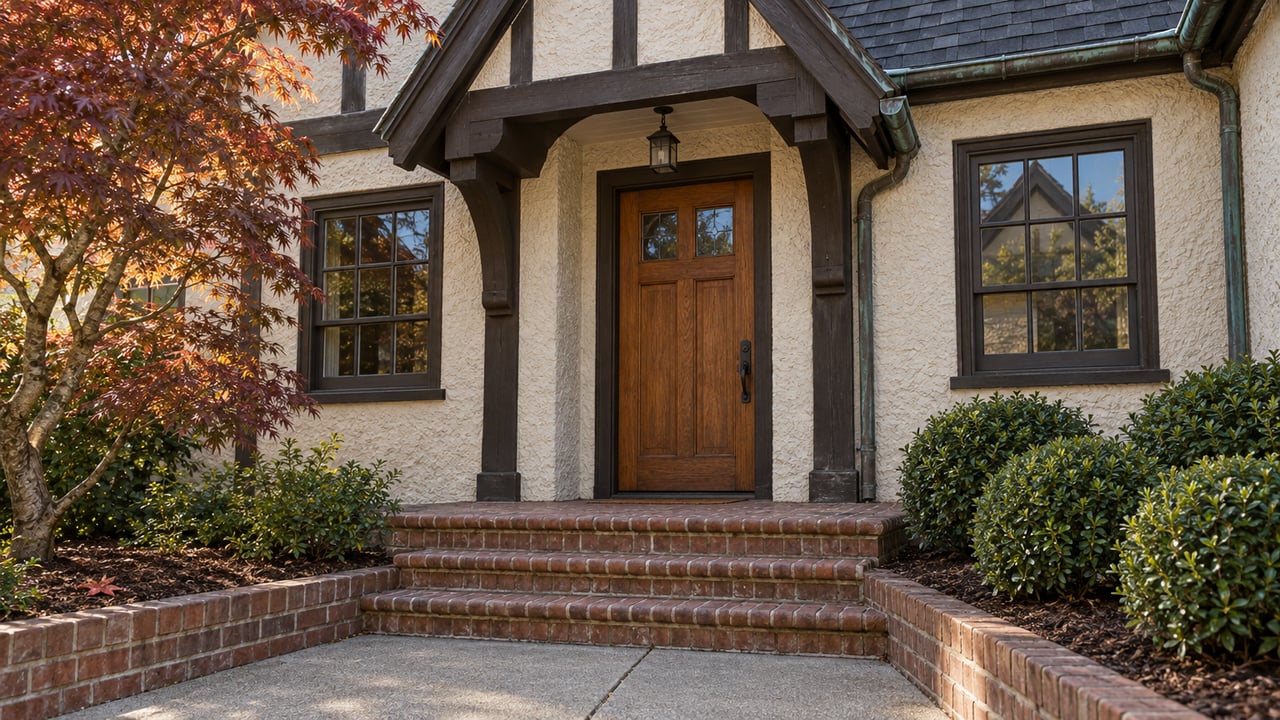
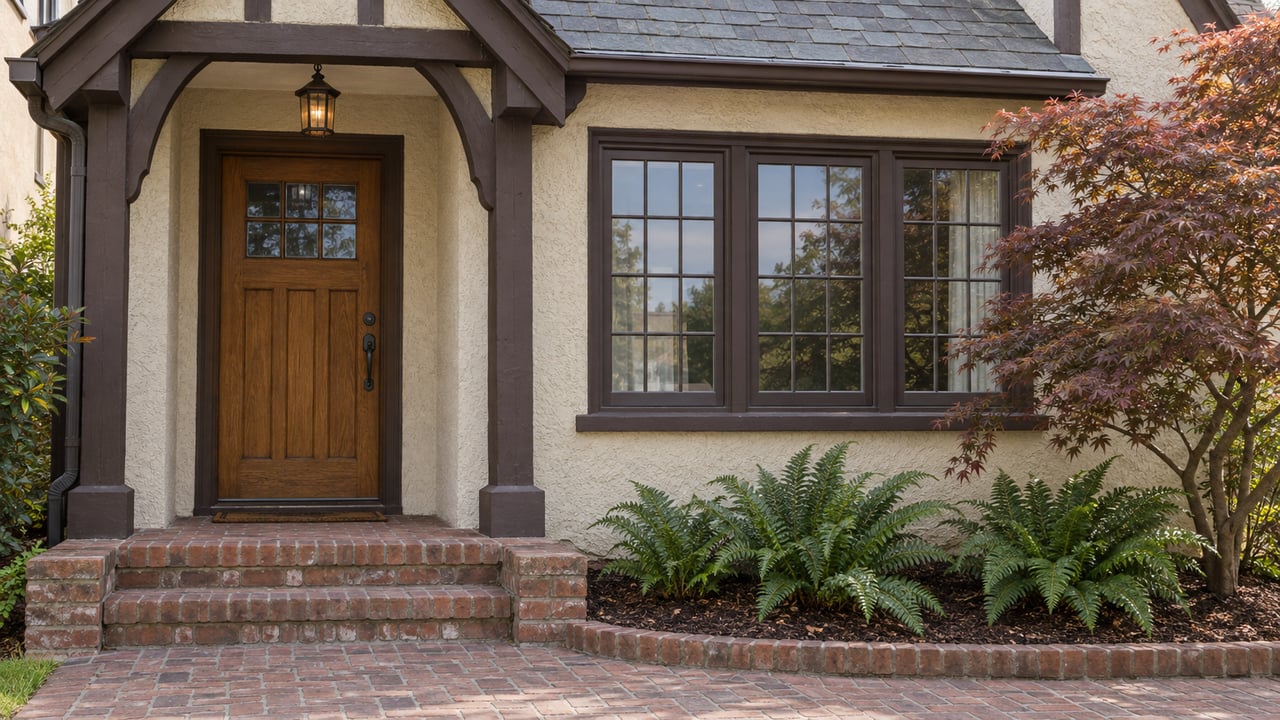
The built character is also a key part of the city’s identity. Albany’s general plan notes that about 1,500 homes, nearly 40% of the single-family housing stock, were built by Charles Manning MacGregor in the 1920s and 1930s. Many of these homes reflect California Bungalow or Period Revival styles, which helps explain why so many streets feel established rather than newly built.
Housing Mix at a Glance
Residential uses make up 37% of Albany’s land area. Within that, the city identifies about 343 acres of single-family housing, 35 acres of townhomes and two-to-four-unit buildings, and 41 acres of multifamily housing.
That mix matters if you are searching with flexibility. Albany is not just one thing. You may find detached homes on modest lots, smaller multifamily buildings, condos, and corridor mixed-use housing, especially near major commercial streets.
What the Market Suggests
Albany is a mature, dense housing market. Recent Census data shows an owner-occupied housing rate of 53.1%, a median owner-occupied home value of $1,202,200, median monthly owner costs with a mortgage of $3,965, and median gross rent of $2,445.
Those numbers point to a competitive and established market, not an entry-level outlier. If you are considering a move here, it helps to be realistic about pricing while also paying attention to home condition, block location, and how close you want to be to key streets and open space.
Solano Avenue and Daily Errands
Solano Avenue is the clearest expression of Albany’s neighborhood-centered identity. The city describes this district as a village-style, pedestrian-oriented business area stretching about a mile from just west of San Pablo Avenue to the Berkeley border.
Along Solano, the mix includes local-serving shops, restaurants, offices, and civic uses. For many residents, this is where daily life becomes tangible. It is the kind of street where grabbing coffee, picking up a few items, or meeting someone for a casual meal can feel like part of the neighborhood routine rather than a planned outing.
San Pablo Avenue’s Broader Role
San Pablo Avenue serves a different purpose. Albany’s land-use plan describes it as a one-mile commercial corridor with service stations, restaurants, banks, small shopping centers, discount stores, retail, and service businesses, along with some newer mixed-use buildings.
That contrast helps you understand the city quickly. Solano tends to read as the local main street, while San Pablo functions more like the broader commercial strip. Together, they give Albany both neighborhood charm and practical convenience.
Parks and Open Space Matter Here
For a city this compact, Albany has a notable amount of outdoor access. Memorial Park serves as the city’s main community park and hosts gatherings, picnics, sports, and informal recreation.
It also plays a visible role in local events. The city notes that Memorial Park hosts concerts, Fourth of July celebrations, outdoor movies, festivals, and fairs. If you value places that bring everyday life and community events together, this park is a meaningful part of the Albany experience.
The Ohlone Greenway Advantage
The Ohlone Greenway adds another layer to Albany living. This approximately one-mile linear park runs through the city and includes bicycle paths, paved walking trails, exercise equipment, seating, public art, and an ADA-accessible trail.
That kind of green corridor can shape how a place feels. It supports short local trips, recreational walks, and a little breathing room within a dense urban setting. In Albany, it is part of why the city feels connected without feeling overbuilt.
Waterfront Access Sets Albany Apart
Albany’s waterfront is one of its most distinctive assets. The waterfront spans 190 acres, including 88 acres of publicly owned parkland such as Albany Beach, Albany Bulb, and the Plateau.
The city describes this area as a regional draw for dog-walkers, artists, hikers, bird watchers, and cyclists. The Bay Trail connection between Gilman Street and Buchanan Street was completed in 2020, which adds to the area’s usefulness for recreation and movement along the shoreline.
Albany Hill and Local Variety
Not every part of Albany is flat. Albany Hill & Creekside Park rises 338 feet above sea level, offering a different landscape from the city’s grid neighborhoods and waterfront edges.
That variety is part of the appeal. In a relatively small area, you can move between residential streets, a linear park, a central community park, a shoreline environment, and hillside open space. Few compact cities manage to pack in that many distinct outdoor settings.
Getting Around Albany
Transit in Albany is practical, but it is important to understand how it works. There is no BART station in the city itself, though bus routes connect residents to both El Cerrito Plaza and North Berkeley BART.
Albany’s transportation plan says nearly one-quarter of residents commute by public transit and nearly all residents live within 800 feet of a bus stop. That helps explain why the city can work well for people who want options beyond driving, even without a rail station inside city limits.
Bus Service and Nearby BART
Current transit service includes AC Transit routes along key corridors, including Line 18, Line 72, Line 72M, and the G transbay line. Stops include places such as Albany City Hall and Solano Avenue.
For rail connections, El Cerrito Plaza BART is a nearby option that serves southern El Cerrito, northern Albany, Kensington, and nearby areas of Berkeley and Richmond. So while Albany is not rail-centered, it is still strongly linked into the East Bay transit network.
Is Albany Walkable?
For many people, yes, especially for local routines. The city’s compact grid, pedestrian-oriented stretches of Solano Avenue, the Ohlone Greenway, and broad bus access all support short trips on foot or by bike.
That said, walkability depends on what you want to do each day. If your routine revolves around neighborhood errands, parks, and nearby dining, Albany may feel very manageable. If you need direct rail access from your doorstep, it may feel more bus-connected than transit-central.
Community Life and Local Events
Albany’s size does not stop it from having visible civic energy. The annual Solano Stroll closes more than a mile of Solano Avenue and draws close to 100,000 people, showing just how important that corridor is to local identity.
Events at Memorial Park add to that sense of place. Together, these gatherings reinforce the idea that Albany is not just a convenient location near Berkeley. It is a city with its own rhythms, traditions, and public spaces that residents use in everyday life.
Who Albany May Appeal To
Albany may be especially appealing if you want a compact East Bay location with older housing stock, a recognizable main street, and strong access to parks and the waterfront. It can also suit buyers who like the idea of living near Berkeley while being in a smaller city with its own clear identity.
From a housing-search perspective, it helps to come in with a sharp sense of priorities. You may be weighing architectural character, access to Solano Avenue, transit convenience, outdoor space, or the kind of housing type that best fits your budget and lifestyle.
Final Thoughts on Living in Albany
Albany offers something that can be hard to find in the Bay Area: a truly compact city that still feels layered and livable. Its older homes, neighborhood grid, main-street energy, open-space access, and practical transit connections all contribute to a place that feels grounded and connected at the same time.
If you are exploring Albany or comparing it with nearby East Bay communities, local guidance can help you narrow in on the blocks, housing types, and lifestyle details that matter most. For thoughtful, high-touch support as you navigate the East Bay market, connect with Teri Carlisle & Alexandra Dierkx.
FAQs
What is Albany, California like for everyday living?
- Albany is a compact East Bay city with mostly residential neighborhoods, a pedestrian-oriented main street on Solano Avenue, practical shopping along San Pablo Avenue, and strong access to parks, the waterfront, and bus transit.
What types of homes are common in Albany, California?
- Albany has mostly older single-family homes, along with townhomes, smaller two-to-four-unit properties, apartments, condos, and some mixed-use housing along commercial corridors.
Is Albany, California walkable?
- Many local trips can be done on foot or by bike thanks to Albany’s grid layout, Solano Avenue, the Ohlone Greenway, and the fact that nearly all residents live within 800 feet of a bus stop.
Does Albany, California have a BART station?
- No, Albany does not have its own BART station, but bus routes connect to nearby stations including El Cerrito Plaza and North Berkeley.
What are the main commercial areas in Albany, California?
- Solano Avenue is the city’s neighborhood-oriented main street, while San Pablo Avenue serves as the broader commercial corridor with a wider mix of retail and service uses.
What parks and outdoor spaces are in Albany, California?
- Key outdoor spaces include Memorial Park, the Ohlone Greenway, Albany Hill & Creekside Park, and the waterfront area that includes Albany Beach, Albany Bulb, and the Plateau.