Ever wonder what everyday life feels like on a small Bay island just minutes from Oakland and San Francisco? If you want walkable streets, beaches with skyline views, and an easy hop to the city by ferry, Alameda might be a match. In this guide, you’ll get a clear picture of neighborhoods, commute options, weekend rhythms, housing types and costs, schools, and practical safety context. By the end, you’ll know if the Island City fits the way you live. Let’s dive in.
Alameda at a glance
Alameda is a low-lying island city in Alameda County made up of the main island and Bay Farm Island. It blends a historic small-city core with suburban pockets, beaches, and multiple ferry terminals. The population sits in the high 70,000s; the most recent estimates on the U.S. Census profile for Alameda show figures around 78,000.
Day to day, you feel the island pace: quick coffee runs on Park Street, sunset walks along Crown Beach, and short water rides to San Francisco for work or play. Commuters lean on ferries and AC Transit, while families often prioritize parks, schools, and shoreline trails.
Neighborhoods and daily rhythm
West End & Gold Coast
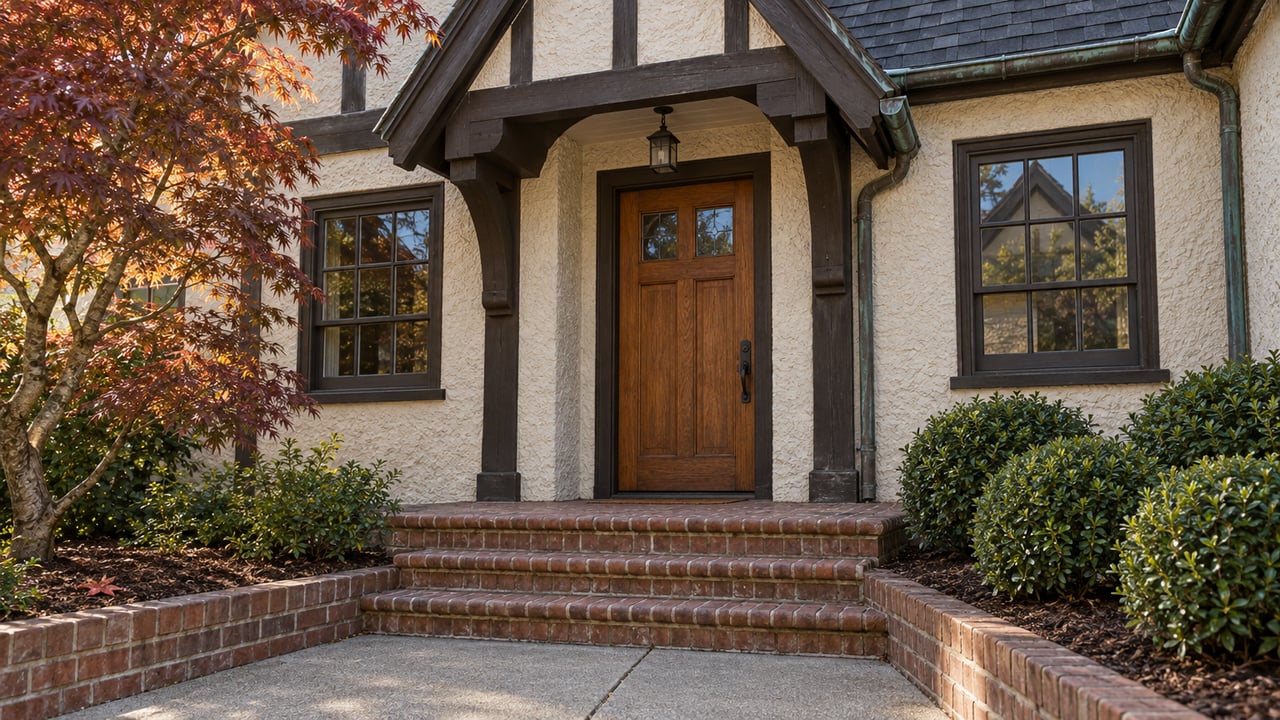
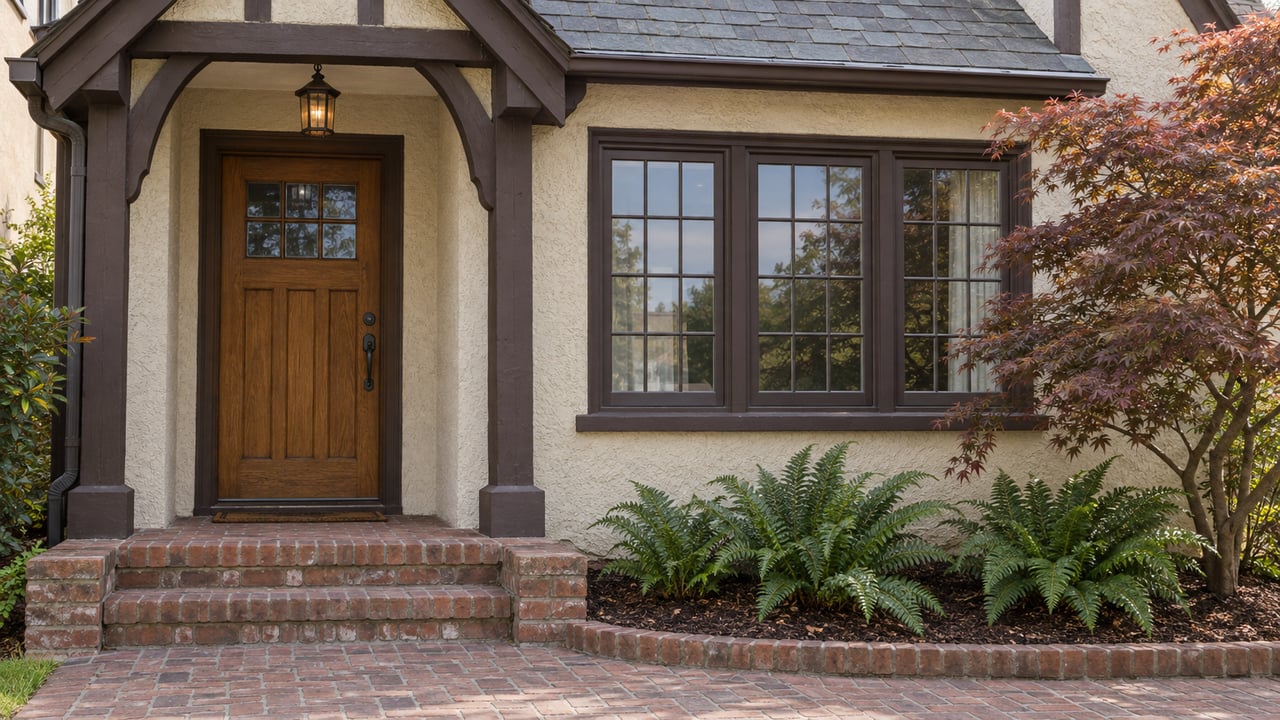
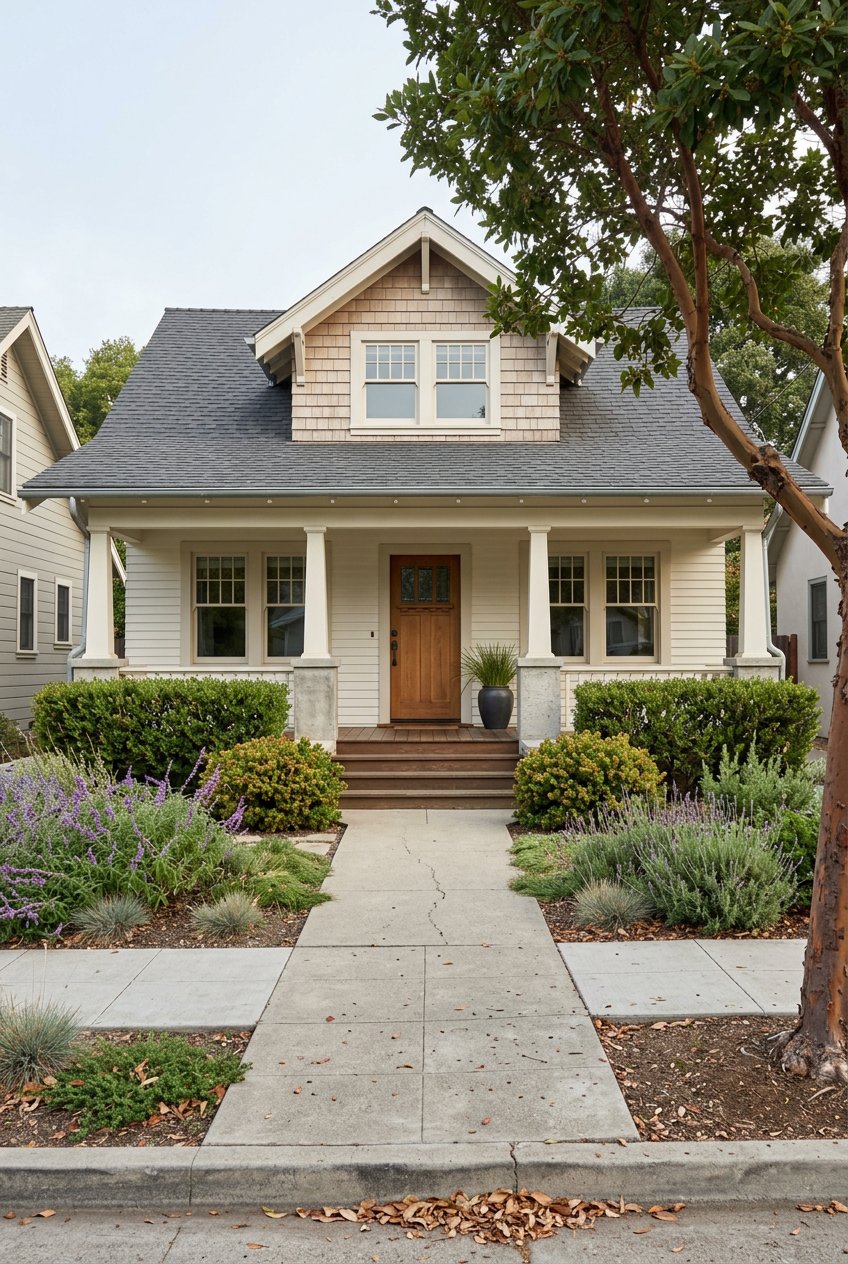
This area concentrates many of Alameda’s older Victorian and Craftsman homes on tree-lined streets. You’re close to Park Street’s shops and the Main Street ferry terminal, so a bike-to-ferry routine is common. Life runs on local errands, neighborhood walks, and a growing dining scene anchored by Park Street.
Downtown / Park Street
Park Street reads like a classic main street: independent shops, the restored Alameda Theatre, cafes, and regular community events. It is compact and highly walkable, with a mix of historic storefronts and new favorites. For a taste of the island’s heartbeat, start with Downtown Alameda’s core district.
East End / Fernside / Lincoln Park
Quieter residential blocks and strong park access define the East End. Lincoln Park, neighborhood pools, and a mix of local schools support a steady family rhythm. You also have quick access to Crown Memorial State Beach on the south side for low-key afternoons and weekend picnics.
South Shore & Crown Beach
Crown Memorial State Beach gives Alameda a real beach-day ritual. Expect kiteboarding on breezy days, tidepool programs at Crab Cove, and calm shoreline walks with city views along Shoreline Park. Get an overview of programs and access at the East Bay Regional Park District’s Crown Beach page.
Bay Farm Island & Harbor Bay
Bay Farm feels more planned and suburban, with townhome communities, larger lots in places, and miles of shoreline paths. The Harbor Bay ferry terminal offers commuter parking and direct service to San Francisco, which is a major convenience for weekday riders. Local schools and small commercial spots make it easy to keep daily life close to home.
Alameda Point
On the former Naval Air Station, Alameda Point mixes historic industrial buildings, new development phases, and a lively tasting-room corridor known as Spirits Alley. It is also home to the USS Hornet museum and the popular Alameda Point Antiques Faire. For a weekend sip-and-stroll, explore the Spirits Alley lineup.
Daily life and amenities
Shopping and essentials
You can choose between two styles of errands. Park Street leans local and independent with specialty food shops and small retailers. South Shore Center and Alameda Landing deliver big-box convenience, generous parking, and national brands.
Dining and culture
Most nights out center on Park Street or Alameda Point’s tasting rooms and breweries. The Alameda Theatre anchors arts programming, and you’ll find family-friendly attractions like the Pacific Pinball Museum. Seasonal events and street festivals keep the calendar full; look for roundups of Island happenings in local coverage such as this SFGATE overview.
Getting around and the commute
Ferries and terminals
Alameda has multiple ferry options linking to San Francisco and Oakland, including the Main Street terminal, Harbor Bay on Bay Farm, and Seaplane Lagoon at Alameda Point. Routes to downtown San Francisco are often about 20 to 25 minutes, depending on the sailing. For route details and terminal access, start with the City’s Getting Around Alameda page and then check the current WETA schedules.
Parking and policy updates
Ferry access and parking rules have evolved, so it pays to confirm before you go. The City has rolled out paid parking and on-site security measures at Harbor Bay and Seaplane Lagoon, with targeted weekday pricing for commuters. Review the latest policies and fees on the Ferry Terminal Transit Parking page.
Buses, bridges, and bikes
Alameda does not have a BART station. AC Transit runs local and transbay routes, plus connections to nearby BART stations. Two road tunnels and several bridges handle car traffic, so rush hours tend to bunch at the approaches. Many residents rely on bikes for local trips, with lockers and designated paths promoted by the City; you’ll find mode options summarized on Getting Around Alameda.
Outdoors and weekends
With a long south-facing shoreline, Alameda plans around sun and water. Crown Beach and Crab Cove host tidepool programs and gentle swim days when the weather is right. The Bay Trail and Shoreline Park create flat, scenic loops for running and biking, while neighborhood parks like Lincoln, Washington, and Franklin keep small-scale play close to home.
On the first Sunday of most months, the Alameda Point Antiques Faire draws big crowds to the former base for vintage hunting. Add farmers’ markets, seasonal street fairs on Park Street, and food-truck nights, and you have a weekend calendar that rarely sits still.
Housing styles and market snapshot
What you will see
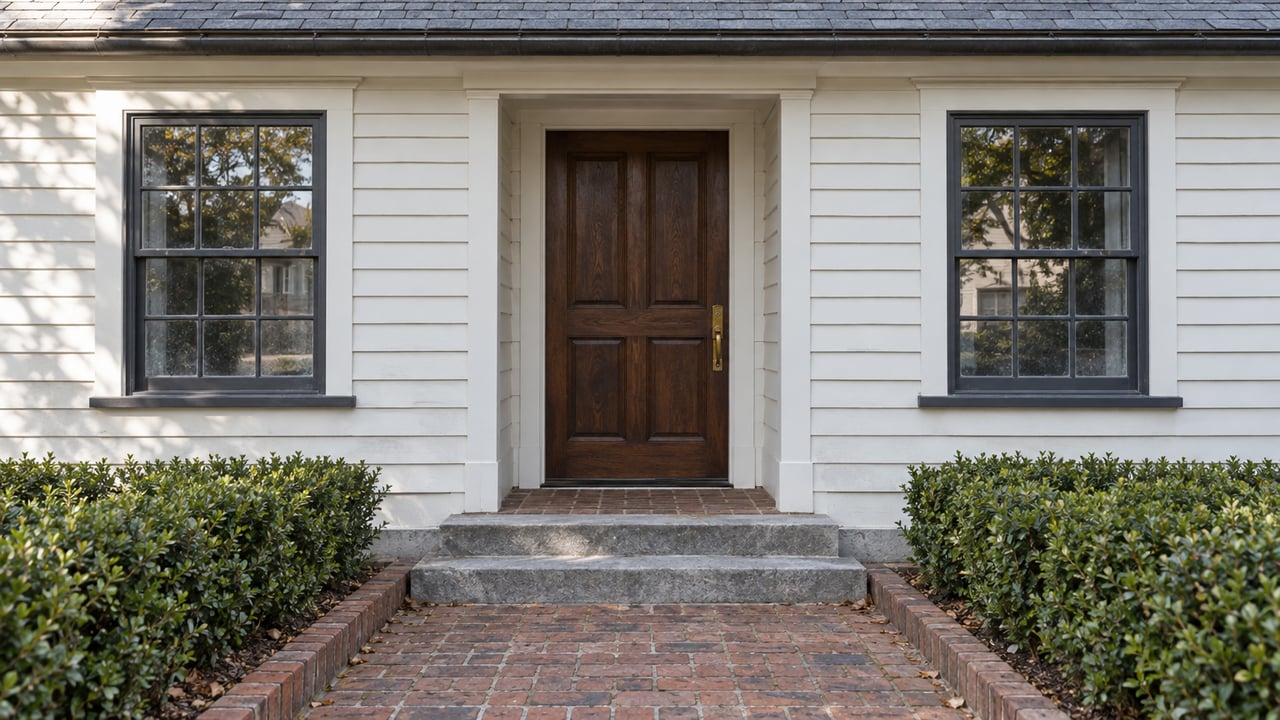
- Historic Victorians and Craftsman bungalows in the West End, Gold Coast, and East End
- Mid-century homes and small-lot infill near the island’s center
- Planned subdivisions and townhomes on Bay Farm Island, plus phased new housing at Alameda Point
- Condominiums and waterfront complexes near South Shore and marinas
Pricing and patterns
Citywide, typical home values are near or above the $1 million mark, though neighborhoods vary. Waterfront pockets and historic streets in the Gold Coast and West End tend to sit above the city median, while parts of South Shore and central areas often come in lower. For the latest numbers, check the live city snapshot on Zillow’s Alameda home values page.
If you are budgeting, aim to balance style and location trade-offs. Proximity to Park Street and ferry terminals can command a premium, while slightly farther inland or condo options may offer relative value.
Schools and learning
Alameda Unified School District (AUSD) spans multiple elementary, middle, and high schools across the islands. Public high school options include Alameda High and Encinal, with magnet or specialized programs such as Alameda Science & Technology Institute and Island High. For current enrollment, programs, and boundaries, go to the district’s AUSD Schools page.
Discuss your school priorities early in your search. Boundaries and program availability can change, and commute patterns may also shape which areas feel right for day-to-day life.
Safety and practical context
Like many Bay Area cities, Alameda’s property-crime signal shows up in aggregated reports, particularly for vehicle-related theft categories. Violent-crime rates tend to read lower than property-crime rates but remain an important consideration. To understand recent trends and categories, review aggregated data such as NeighborhoodScout’s Alameda crime overview, then layer in current updates from City sources.
As you compare blocks and neighborhoods, focus on practical steps: secure bike and car storage, porch delivery solutions, and local watch programs. Ask about lighting, traffic flow at bridge and tunnel approaches, and how your daily routine intersects with these patterns.
Is Alameda right for you?
You may love Alameda if you want
- A small-city feel with historic architecture and a true main street
- Ready access to beaches, shoreline trails, and a family-friendly park network
- A ferry-first commute option to San Francisco with bikeable access from select neighborhoods
- A mix of independent restaurants, tasting rooms, and community events
Consider the trade-offs
- No on-island BART station, with car and bus bridges that stack up at rush hour
- Paid parking and evolving rules at ferry terminals, which can affect daily routines
- A competitive housing market that rewards preparation, pre-approval, and clear priorities
If Alameda checks your boxes, a local, organized search will help you move with confidence. From strategy to presentation, you deserve clear advice grounded in data and day-to-day experience.
Ready to explore homes on the Island City or across the East Bay? Reach out to Teri Carlisle & Alexandra Dierkx for calm, high-touch guidance backed by deep local expertise.
FAQs
What is the commute from Alameda to San Francisco like?
- Most ferry trips are about 20 to 25 minutes to downtown SF, with multiple terminals; buses and bridges add options, though rush-hour traffic can build at tube and bridge approaches.
How much do homes cost in Alameda?
- Typical values sit near or above $1 million citywide, with neighborhoods and property types varying; waterfront and historic streets often read higher, while some central and South Shore areas trend lower.
Which Alameda neighborhoods are most walkable?
- Park Street and surrounding West End/Gold Coast blocks offer the strongest small-city walkability, while Bay Farm provides a planned, path-rich environment geared toward biking and shoreline walks.
Are there beaches in Alameda suitable for families?
- Yes, Crown Memorial State Beach offers gentle shoreline, tidepool programs at Crab Cove, and flat trails with skyline views that work well for relaxed outings.
How are schools organized in Alameda?
- Alameda Unified School District operates multiple elementary, middle, and high schools across the islands, including specialized and magnet options; confirm current programs and boundaries with the district.
Is Alameda safe for everyday living?
- Aggregated reports show higher property-crime rates than violent crime; review recent data and take common-sense steps such as secure storage and delivery practices while comparing block-level context.