Wondering whether Berkeley’s hills or flats are the better fit for your life? It is one of the most important location choices you can make in Berkeley because elevation shapes far more than the view. It can influence the type of home you find, how you get around, what the weather feels like day to day, and how much wildfire planning you need to factor in. Let’s dive in.
Why Berkeley Feels So Different
Berkeley stretches from the East Bay ridgelines down to the Bay plain, and that topography creates real day-to-day differences across the city. A home higher up can offer a very different experience from one at lower elevation, even if the distance between them is only a few miles.
For buyers, that means the hills-versus-flats decision is not just about preference. It is also about how you want to live, move, and manage your home over time.
Housing Types in the Hills and Flats
Berkeley’s housing stock is mixed overall, but the city says detached single-family homes remain the most common housing type. The same housing documents also note that the hills developed in a more suburban pattern, while Berkeley as a whole includes many small lots with one- to four-unit buildings.
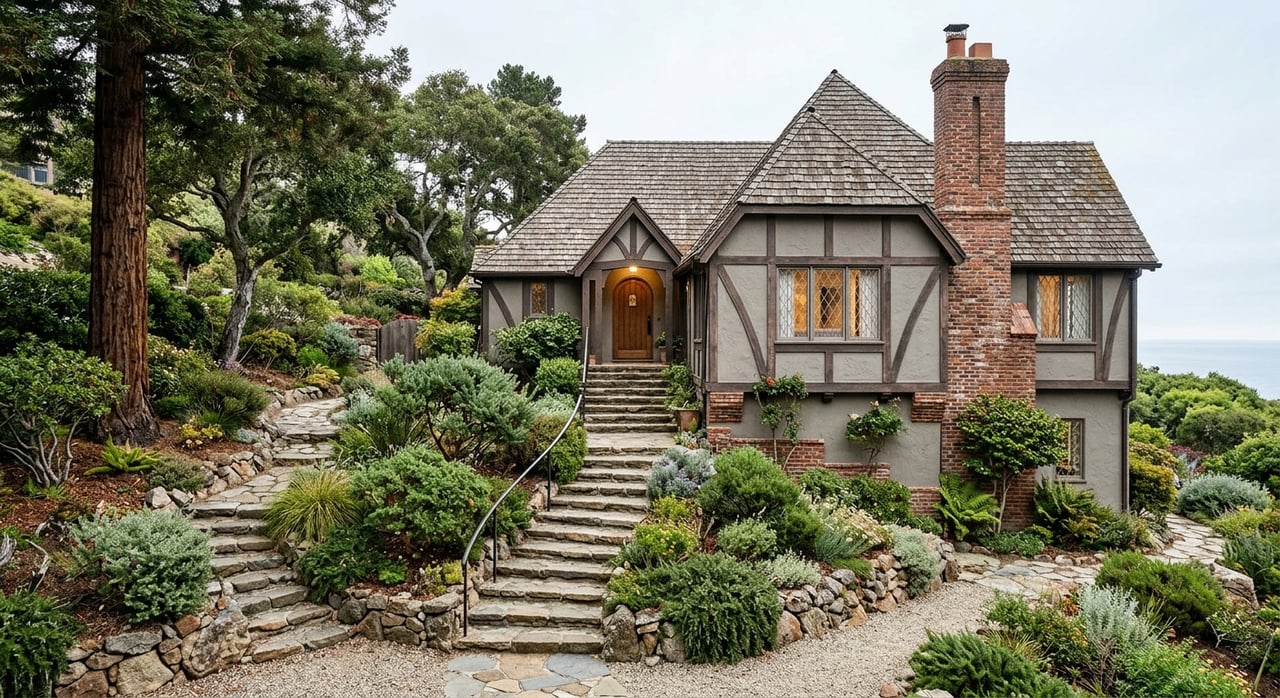
In practical terms, the hills are still the part of Berkeley most associated with detached homes and less intense density. If you picture a quieter residential setting with more separation between homes, that is often the feel buyers look for uphill.
The flats tend to offer a broader mix of housing forms. City zoning and planning documents point to more duplexes, triplexes, fourplexes, courtyard apartments, and small multifamily buildings in lower-elevation areas, especially near commercial corridors and transit-connected parts of town.
That does not mean the flats are all the same. Berkeley’s lower-elevation neighborhoods include varied submarkets around Downtown, Elmwood, Fourth Street, North Shattuck, Solano, Telegraph, Lorin, West Berkeley, San Pablo, University Avenue, and the UC-adjacent core.
What the Hills Often Offer
If you are drawn to the hills, you may be prioritizing setting, privacy, and the feel of detached-home living. Berkeley’s hillside parks and public spaces often highlight scenic overlooks, terraced terrain, and hilltop views, which helps explain why many view-oriented buyers start their search uphill.
The hills can also feel more removed from the city’s busiest corridors. For some buyers, that quieter and more residential setting is a major plus.
What the Flats Often Offer
If you are drawn to the flats, you may be looking for convenience and connection. Lower-elevation areas are generally where Berkeley’s mixed-use corridors, transit access, and broader housing choices come together.
For many buyers, the appeal of the flats is simple: easier daily errands, more level routes, and quicker access to shops, transit, and campus-adjacent areas. If you want a home base that supports a more connected routine, the flats often check that box.
Microclimate Can Affect Daily Life
Berkeley has a Mediterranean climate with mild, moist winters and hot, dry summers. The city also notes that microclimates can vary sharply within a few miles, and that summer fog is thickest near the coast and fades as you move inland from the Bay.
That helps explain why hill and flat locations can feel different on a daily basis. A source-based takeaway is that the flats are generally more influenced by the marine layer, while hill locations are farther from the fog line.
If weather matters to you, this is worth experiencing in person. Two homes that seem close on a map may feel quite different in terms of sun, fog, and overall atmosphere.
Views, Terrain, and Outdoor Use
The hills and flats also shape how you use outdoor space. In the hills, the terrain itself can be part of the appeal, especially if you value outlooks, terraced lots, or a more elevated setting.
In the flats, outdoor living may be less about views and more about ease of access. A flatter lot or a more level surrounding area can make everyday movement simpler, whether you are heading out for a walk, biking, or carrying groceries home.
Neither is better across the board. It depends on whether you care more about dramatic setting or practical ease.
Walkability and Biking
Berkeley treats walking as a core transportation mode and identifies about 136 public paths and stairways as part of its pedestrian network. The city is also working from pedestrian, bicycle, and complete streets plans to make walking and biking safer and easier.
That said, the experience can vary a lot by elevation. In the flats, level routes often make everyday walking and biking more manageable, especially for buyers who want low-stress trips to nearby destinations.
Berkeley has seven designated bike boulevards, plus bike lanes, off-street paths, and separated bikeways. Flat routes such as the Ohlone Greenway and West Street Pathway are especially useful for easier riding and walking.
You can absolutely walk or bike in the hills. But many hillside streets are steep, narrow, and curving, so the effort and logistics are different.
Transit Access Is Stronger in the Flats
Transit access is strongest in Berkeley’s lower-elevation core. Downtown Berkeley BART sits near Shattuck, UC Berkeley, restaurants, shops, and theaters, and the nearby North Berkeley station also supports access within the city.
AC Transit lines also run through key parts of Berkeley, including service along Telegraph, College, Bancroft, Durant, Shattuck, Downtown Berkeley, and University Avenue. If your routine depends on public transit, the flats often make that easier.
This is one of the clearest tradeoffs between the two settings. The hills may offer more space and a different atmosphere, while the flats tend to support simpler regional commuting and car-light daily living.
Parking and Delivery Logistics
A location choice is also about practical details you will notice after move-in. Berkeley notes that several streets in the hills have red curbs or no-parking signs, and that many hill streets are difficult for large trucks because they are steep, narrow, and curving.
That may matter if you host frequent visitors, rely on deliveries, or expect regular service appointments at home. It can also affect moving logistics and day-to-day convenience.
In the flats, parking is still location-specific, but the terrain itself usually creates fewer access challenges. If ease of loading, parking, or visitor access is high on your list, it is smart to weigh that early.
Wildfire Planning Matters More in the Hills
Wildfire preparedness should be part of any Berkeley home search, but it carries more weight in the hills. Berkeley’s fire-weather guidance says people living in the Berkeley Hills should leave before a fire starts when Extreme Fire Weather is declared.
The city’s wildfire planning documents also note that hill areas can include narrow, winding roads that do not facilitate evacuation. That is an important practical difference, not just a background risk.
The flatlands are not risk-free. Berkeley’s hazard planning says the flatlands are at risk as well, but the city’s guidance makes clear that the hills come with a more demanding preparedness checklist.
For some buyers, that tradeoff is well worth it. For others, it is a deciding factor in favor of lower-elevation neighborhoods.
A Simple Decision Framework
If you are deciding between the hills and flats, it helps to focus on how you want your daily life to work.
Choose the Hills If You Value
- Detached-home living
- View potential
- A quieter, more residential setting
- A more suburban development pattern
- More tolerance for steep streets and added wildfire preparation
Choose the Flats If You Value
- Flatter walking and biking routes
- Stronger transit access
- Closer proximity to commercial corridors and UC-adjacent areas
- A wider mix of housing types
- Easier everyday errands and connectivity
A useful shorthand is this: the hills often optimize for setting, space, and views, while the flats often optimize for convenience, access, and mobility.
How to Tour With This Choice in Mind
When you visit homes, try to evaluate more than the house itself. Pay attention to what the approach feels like, how the block functions, and how easily you can picture your daily routine there.
A few smart questions to keep in mind are:
- How often will you walk, bike, or use transit?
- Do you want a detached home, or are you open to multiple housing types?
- How important are views compared with convenience?
- How much does parking or delivery access matter to you?
- Are you comfortable with the added wildfire planning that can come with a hill location?
- Do you prefer a more marine-influenced climate or a location farther from the fog line?
The right answer is rarely about which area is better in general. It is about which setting better supports the way you want to live in Berkeley.
If you want help comparing Berkeley neighborhoods with a calm, practical lens, Teri Carlisle & Alexandra Dierkx can help you evaluate location, lifestyle fit, and the tradeoffs that matter most in your search.
FAQs
What is the main difference between Berkeley hills and flats for homebuyers?
- The hills are generally associated with detached homes, view potential, and a quieter residential feel, while the flats tend to offer flatter routes, stronger transit access, and a wider mix of housing types.
Are Berkeley hills sunnier than Berkeley flats?
- Berkeley does not publish a simple hills-versus-flats sun chart, but city climate information shows that fog is thickest near the coast and fades inland from the Bay, so the flats are generally more marine-layer influenced and hill locations are farther from the fog line.
Is transit better in Berkeley flats than in the hills?
- Yes, transit access is strongest in Berkeley’s lower-elevation core, including areas near Downtown Berkeley BART, North Berkeley BART, and key AC Transit lines.
Can you walk and bike in the Berkeley hills?
- Yes, but expect steeper grades and more challenging streets in many hill areas, while the flats usually offer more level and lower-stress walking and biking routes.
Are Berkeley flats safer from wildfire than Berkeley hills?
- Berkeley says the flatlands are also at risk, but the hills carry a greater wildfire-preparedness burden and more demanding evacuation planning.
Which Berkeley location is better for daily errands?
- For many buyers, the flats are easier for daily errands because they are more likely to be near commercial corridors, transit, and flatter walking or biking routes.