If you are looking for an East Bay city where a beach walk, a coffee run, and an evening downtown can all fit into one ordinary day, Alameda stands out. Daily life here tends to feel close at hand, with shoreline access, local business corridors, and multiple ways to get around without crossing long distances inside the city itself. If you are thinking about moving to Alameda, this guide will help you picture what everyday life can actually look like, from waterfront trails to Park Street and beyond. Let’s dive in.
Why Alameda Feels Easy to Live In
Alameda is a compact island city with an estimated 78,795 residents and 29,988 households as of July 1, 2024. That scale shapes a lot of the day-to-day experience. Instead of feeling spread out, the city often feels connected, which can make errands, recreation, and meetups easier to fold into your routine.
The city also notes that Alameda has sidewalks on almost all streets and bikeways across town. That matters in practical terms. It means many residents can build a daily rhythm around walking, biking, and shorter local trips rather than relying on a car for every stop.
For people who value outdoor access, Alameda also brings a strong parks presence into daily life. The city’s recreation department describes more than 30 parks and facilities serving over 15,000 people annually. That gives you a sense of how much public outdoor space is part of the city’s identity.
Shoreline Time Is Part of the Routine
One of Alameda’s biggest lifestyle draws is how naturally the shoreline fits into an average day. You do not have to plan a full weekend outing to enjoy the water. In many parts of the city, a quick walk, bike ride, or pause by the bay can be part of your morning or evening routine.
Crown Beach and Crab Cove
Crown Memorial State Beach is one of the clearest examples of Alameda’s waterfront appeal. California State Parks says it includes 2.5 miles of beach, along with lawns, picnic grounds, and a bicycle trail. That mix supports a range of low-key daily uses, from a short walk before work to a sunset bike ride.
At the north end, Crab Cove adds another layer to the experience. East Bay Regional Park District identifies it as a marine reserve and visitor center focused on shoreline ecology. If you enjoy places that blend open space with opportunities to learn more about the bay environment, this part of Alameda adds that option.
Bay Farm and Alameda Point Walks
Shoreline Park on Bay Farm Island offers paved walking trails that wrap around the outer edge of the island. The city also highlights views of the San Francisco skyline, which helps explain why this area can feel especially rewarding for a morning walk or an after-dinner loop.
On the western side of the city, Seaplane Lagoon Promenade at Alameda Point adds a newer waterfront setting with walk and bike trails, picnic areas, seating, and public art. Nearby, Main Street Linear Park offers another smaller paved walking space that fits easily into a neighborhood outing. Together, these spots make it clear that waterfront access in Alameda is not limited to one destination.
Downtown Alameda Has a Local Rhythm
When people picture day-to-day convenience, downtown usually plays a big role. In Alameda, that story centers on local business corridors rather than a large regional shopping district. The result is a more compact, neighborhood-scaled experience that many buyers appreciate.
The city identifies Park Street and Webster Street as commercial corridors where sidewalk dining, retail, services, and parklets shape the street environment. That combination helps create a downtown that feels active without feeling overwhelming. You can run errands, meet friends, or grab a casual meal in a setting built around local businesses.
Park Street’s Business Core
Downtown Alameda’s main business core is the Historic Park Street Business Improvement Area. The Downtown Alameda Business Association’s 2024-2025 annual report says it is working with nearly 500 businesses. That number gives you a strong sense of how much small-business activity is concentrated in this part of the city.
For everyday life, that scale matters. It suggests that dining, services, and retail are woven into the district rather than scattered too far apart. If you like the idea of being able to stack a few stops into one outing, Park Street supports that kind of routine.
Webster Street and Easy Access
Webster Street is also part of Alameda’s commercial story, giving residents another local corridor for shops, services, and dining. Having more than one active business area can make a city feel more livable because convenience is spread across different parts of town.
Access is part of the downtown experience too. The city says the Park Street area is served by the Civic Center Parking Garage, two city-run surface lots, and on-street meters, with the garage one block from Park Street and within a 10-minute walk of nearly all Park Street businesses. Whether you arrive by foot, bike, or car, that setup supports a practical everyday visit.
Getting Around Without Overcomplicating It
Alameda’s transportation picture is a little different from some other Bay Area cities, and it helps to know that upfront. You can get around in several ways, but the mix often includes walking, biking, bus service, ferries, and connections to nearby transit in Oakland.
One important point is that Alameda does not have its own BART station. Instead, the city identifies nearby Oakland stations such as 12th Street, Fruitvale, and Lake Merritt, with AC Transit providing BART connections from Alameda. If you are planning a commute, it is helpful to think in terms of transit connections rather than expecting rail service inside the city.
Ferry Life Is a Real Advantage
Alameda is notably ferry-oriented, and for many residents that is a meaningful lifestyle perk. The city says Alameda is served by three SF Bay Ferry terminals. Seaplane Lagoon offers direct weekday commute service to San Francisco, Main Street serves Jack London Square, San Francisco, and South San Francisco with midday, evening, and weekend service, and Harbor Bay provides direct weekday commute service to San Francisco.
That range of ferry options can make regional travel feel more flexible. Depending on where you live and where you work, ferry service may become part of your normal routine rather than an occasional novelty. The city also notes a free Oakland-Alameda Water Shuttle connecting Jack London Square and Alameda Landing, which adds another useful link across the estuary.
Everyday Mobility on the Island
Inside Alameda, daily movement often looks simpler. Because the city has sidewalks on almost all streets and bikeways across town, many local trips can be done on foot or by bike. That can be especially appealing if you value a lifestyle where getting outside is built into the day.
The city also describes a free Harbor Bay Business Park Shuttle to BART that runs from Coliseum BART to the Harbor Bay Ferry Terminal. For some residents, that kind of layered transportation network is part of what makes Alameda work well. You are often combining modes based on your schedule, not relying on just one option.
What Homes in Alameda Look Like
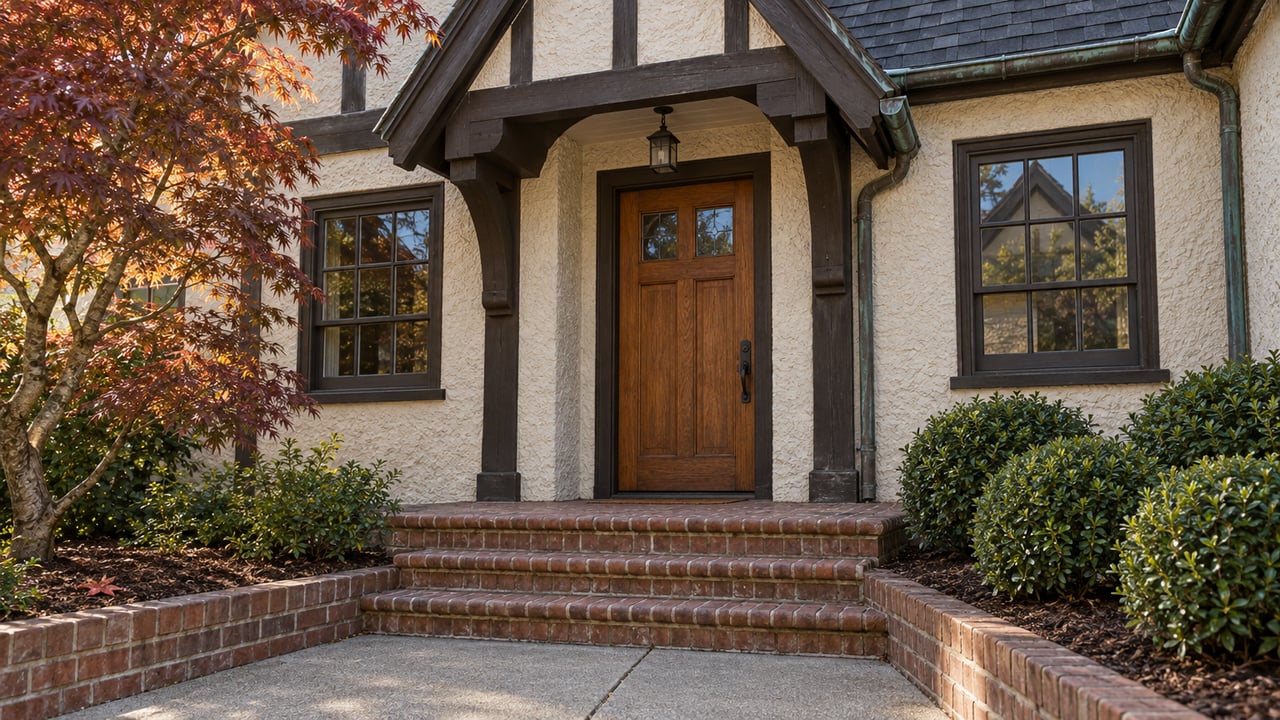
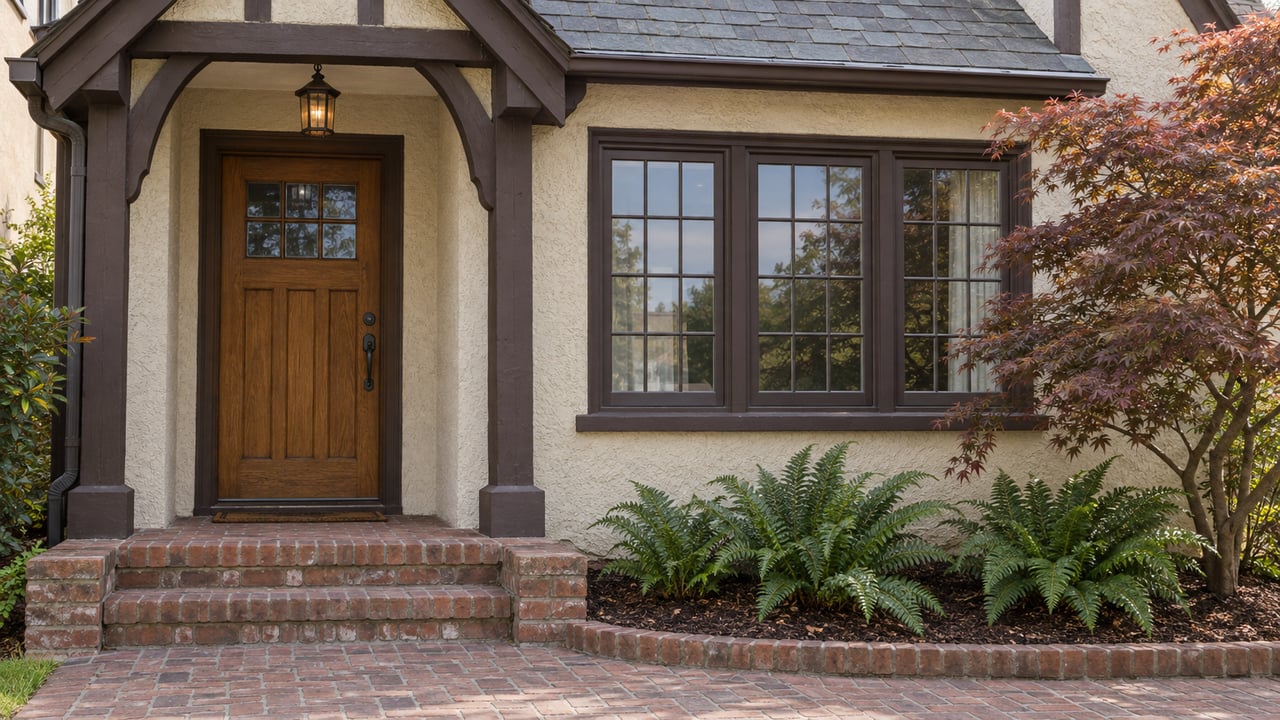
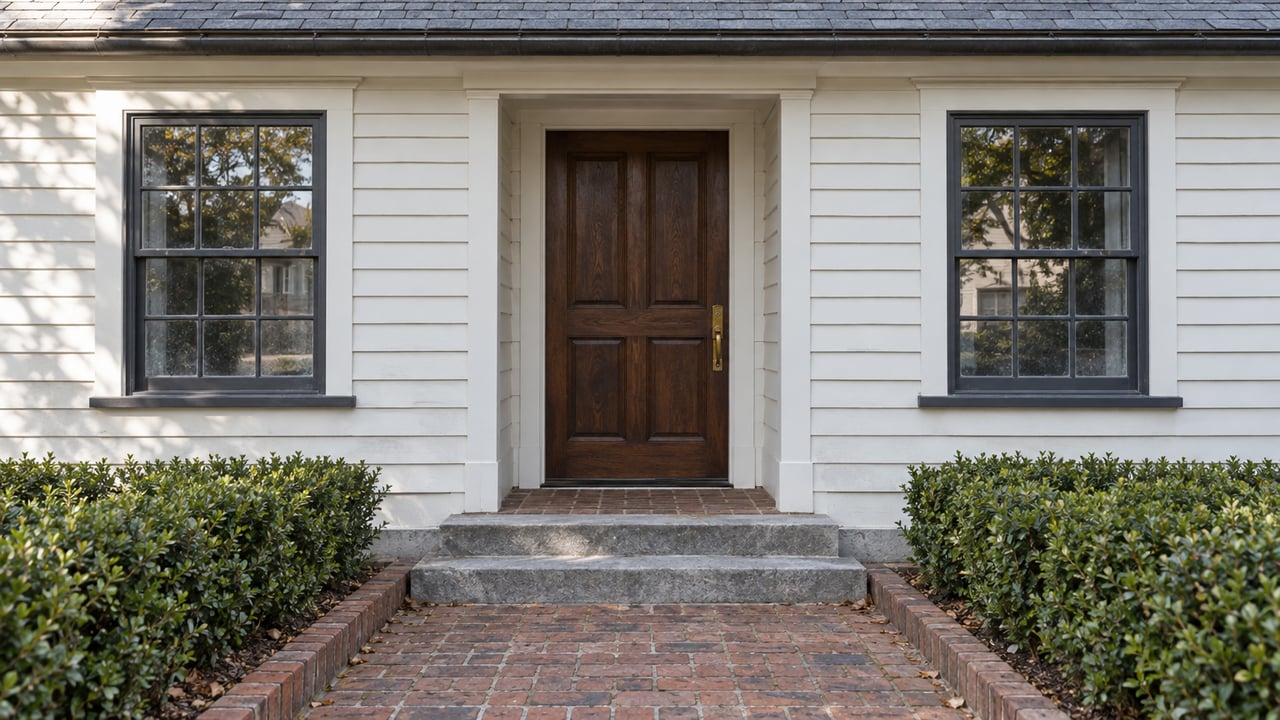
If you are considering a move, it helps to know that Alameda is not defined by a single housing type. The city’s 2023-2031 Housing Element shows a varied housing stock, which gives buyers several different formats to consider depending on budget, lifestyle, and space needs.
According to the city, Alameda’s housing stock is 42% single-family detached, 10% attached single-family, 18% small multifamily with two to four units, and 29% larger multifamily with five or more units. Census QuickFacts also shows an owner-occupied housing unit rate of 50.7%. In practical terms, that means you may see detached homes, townhome-style options, duplexes or fourplexes, and condo or apartment-style properties throughout the city.
That variety can be helpful if you are trying to balance location, home style, and daily routine. Some buyers may prioritize proximity to shoreline paths or downtown corridors, while others may focus on ferry access or a particular home layout. Alameda offers enough housing mix to support several different versions of island living.
Who Alameda Often Appeals To
Alameda can be a strong fit if you want a daily lifestyle that feels both relaxed and connected. The city’s compact layout, shoreline access, and local commercial corridors create a rhythm that often appeals to buyers who want convenience without giving up outdoor time.
It may also appeal to commuters who are comfortable using ferries, buses, and nearby BART connections as part of the week. And for buyers who want housing variety, Alameda offers more than one path, from detached homes to attached and multifamily options. The right fit often comes down to how you want your average Tuesday to feel, not just your weekend plans.
If you are exploring Alameda as your next move, working with a local team who can help you compare neighborhoods, commute patterns, and home styles can make the process much clearer. To start that conversation, connect with Teri Carlisle & Alexandra Dierkx.
FAQs
What is everyday life like in Alameda, California?
- Everyday life in Alameda often centers on short local trips, outdoor time, and neighborhood business corridors, supported by sidewalks on almost all streets, bikeways across town, and access to parks and shoreline spaces.
Does Alameda have beaches and waterfront trails?
- Yes. Alameda includes Crown Memorial State Beach with 2.5 miles of beach and a bicycle trail, plus waterfront areas like Shoreline Park, Seaplane Lagoon Promenade, and Main Street Linear Park.
Is downtown Alameda walkable?
- Downtown Alameda is generally set up for a compact, local experience, with Park Street and Webster Street serving as commercial corridors that include dining, retail, services, and outdoor-oriented street features.
Does Alameda have a BART station?
- No. Alameda does not have its own BART station, but the city identifies nearby Oakland stations such as 12th Street, Fruitvale, and Lake Merritt, with AC Transit connections from Alameda.
Can you commute from Alameda without a car?
- In many cases, yes. Alameda residents may use a mix of walking, biking, AC Transit, ferry service, and nearby BART connections depending on where they live and work.
What types of homes are common in Alameda?
- Alameda has a mix of housing types, including single-family detached homes, attached single-family homes, small multifamily properties, and larger multifamily buildings.