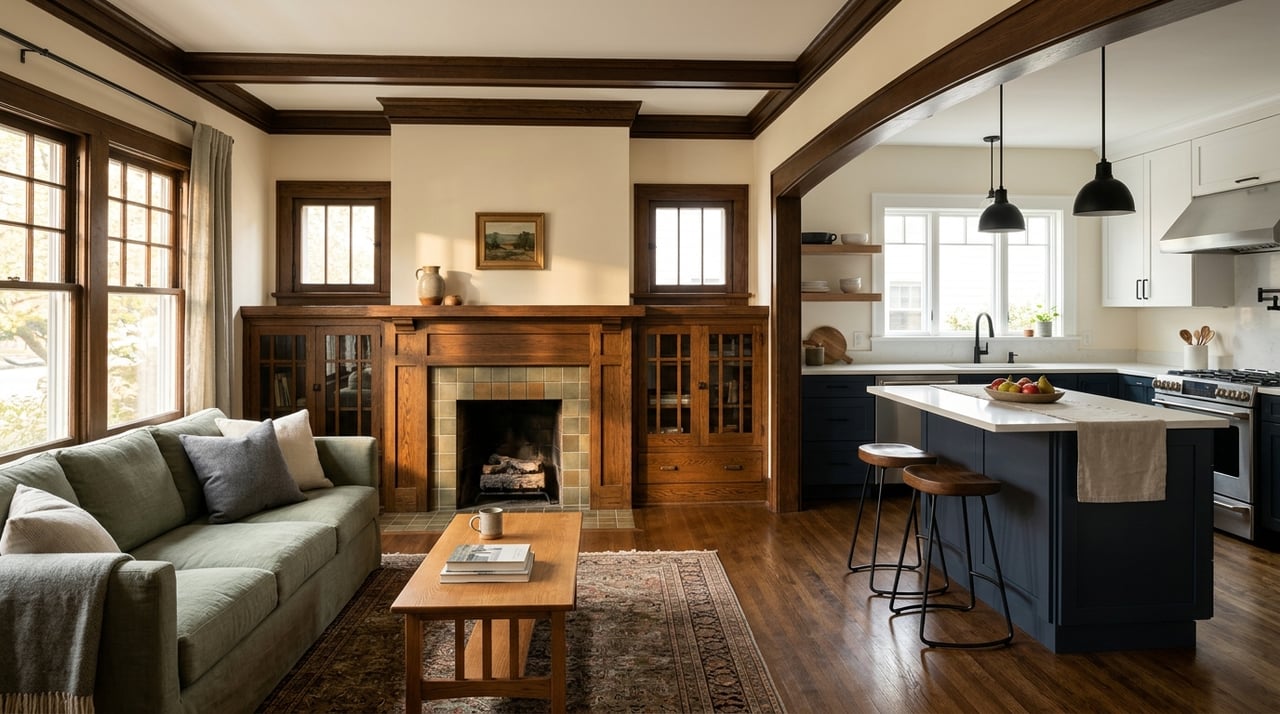
You can fall for a house in seconds, but choosing the right home style in Oakland usually takes a little more thought. In 94601, you are not just comparing looks. You are often weighing character against flexibility, original detail against newer simplicity, and long-term upkeep against future remodeling plans. If you are trying to decide between a Craftsman and a contemporary home, this guide will help you understand how those styles show up in Oakland and what they may mean for your day-to-day life. Let’s dive in.
Why style matters in 94601
In Oakland, 94601 is best understood as part of a broader Fruitvale and nearby community setting, including areas such as Peralta/Hacienda and Jingletown. That matters because this ZIP code is not a single, uniform neighborhood with one dominant housing type. Instead, you are likely to see a mix of older homes, adapted properties, multifamily buildings, commercial corridors, and newer infill.
Oakland’s built environment has developed in layers over time. City planning materials describe a major bungalow era from about 1910 to 1930, followed by simpler East Oakland cottages and later ranch homes. Today, the city also continues to support infill housing and corridor-based growth, which means newer contemporary homes and projects are part of the picture too.
What defines a Craftsman home
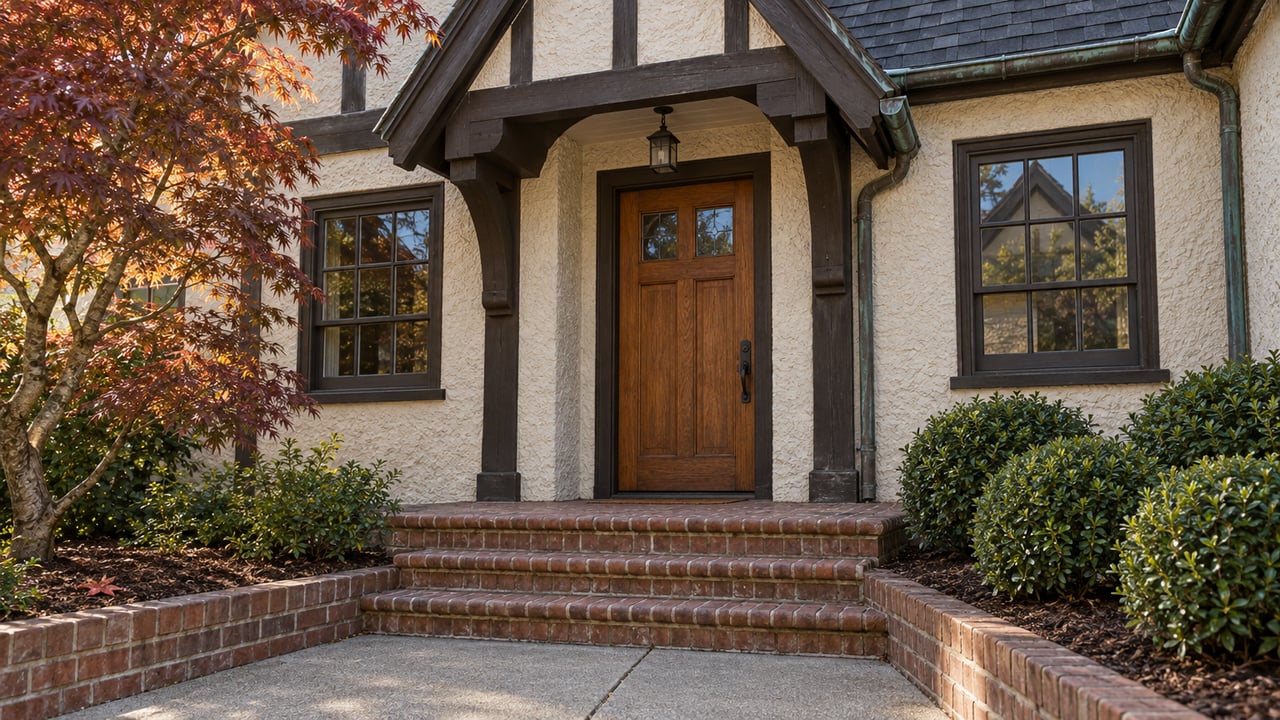
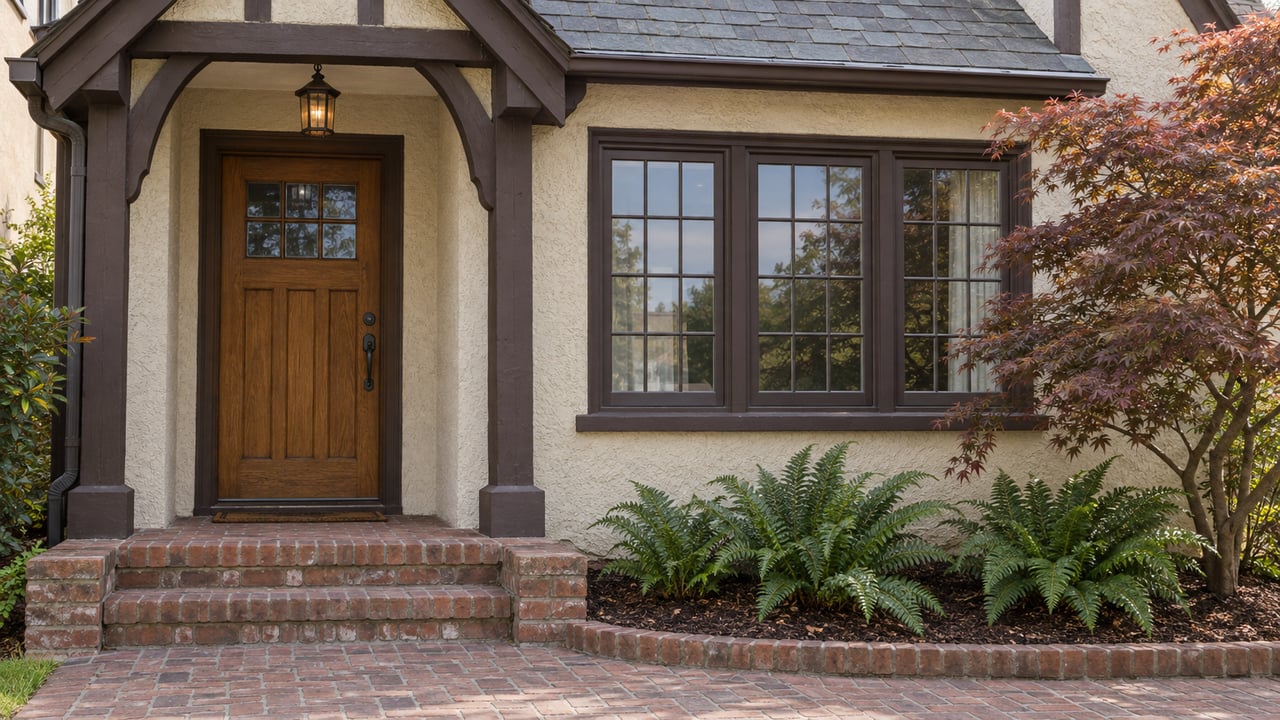
In Oakland, the bungalow is described in city preservation materials as the quintessential Arts and Crafts form. When you look at a Craftsman or bungalow-style home, you will often notice lower-pitched gable roofs, broad eaves with exposed rafters, wide porches, and siding in wood or composite materials. The overall palette tends to feel grounded and subdued rather than flashy.
For you as a buyer, that often translates into a home that feels tactile, warm, and rich with visible detail. These homes usually offer architectural character through trim, porch elements, windows, and built-in craftsmanship instead of sleek minimalism. In practical terms, the appeal is often about texture and personality as much as floor plan.
Common Craftsman features
- Low-pitched gable roofs
- Broad eaves with exposed rafters
- Wide front porches
- Wood or composite siding
- Earth-tone exterior colors
- Distinct trim and original woodwork details
Oakland’s preservation office also notes that materials and workmanship in older properties can be difficult or costly to reproduce today. That is one reason original woodwork, windows, trim, and porch details often carry so much weight when buyers evaluate condition and renovation plans.
What defines a contemporary home
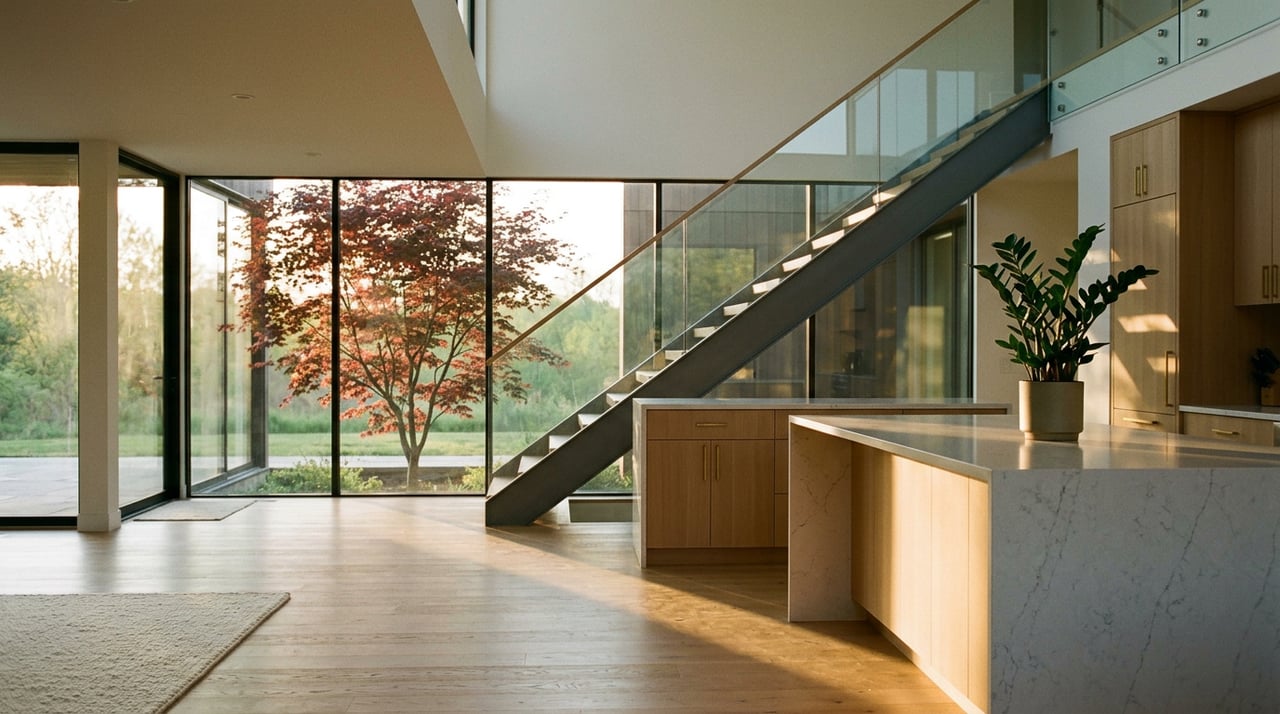
Contemporary homes in Oakland use a very different design language. City design guidance points to features like stepped massing, flat or monopitch roofs, large expanses of glass, smooth stucco, clean lines, and vertical or horizontal siding. These homes typically feel simpler and more visually streamlined.
For many buyers, contemporary design offers a lighter, less ornamented look. The style often feels more open and less tied to historic detailing, which can be appealing if you want a home that reads as current and low-fuss. In Oakland, that style is often connected to newer infill and corridor-based development rather than the city’s early bungalow era.
Common contemporary features
- Flat or monopitch rooflines
- Large windows or glass areas
- Smooth stucco or modern siding
- Clean, simple geometry
- Minimal ornamentation
- Strong indoor-outdoor visual connection
Oakland’s design guidance also notes that contemporary buildings can still fit into existing streetscapes when they maintain rhythm and scale with surrounding properties. So in many cases, newer design does not mean completely out of place. It means different materials and a more modern visual approach.
Craftsman vs contemporary in daily life
The biggest difference is not just appearance. It is how the home feels to live in and how you may want to care for it over time. In Oakland, buyers are often not choosing between pure old and pure new. They are choosing between a character-forward, preservation-sensitive house and a cleaner, newer-build or infill home.
A Craftsman home may appeal to you if you love architectural detail and appreciate the story that older materials can tell. A contemporary home may be a better fit if you prefer simpler surfaces, fewer historic features to maintain, and a more minimal aesthetic. Neither is automatically better. The right choice depends on what you value most.
| Style | Often appeals to buyers who want | Things to think through |
|---|---|---|
| Craftsman | Character, porch presence, original detail, historic texture | Preservation-sensitive repairs, older materials, remodeling complexity |
| Contemporary | Clean lines, simpler finishes, newer feel, less ornament | Location in infill areas, design fit, future resale preferences |
How Oakland neighborhoods shape the choice
Your decision is also about location, not just architecture. In 94601 and nearby areas, you are likely to encounter Oakland’s mixed and adaptive character. Jingletown is a good example. The city describes it as a long-established area with established and newer housing, lofts and live-work units, single-family and multifamily homes, art studios, small businesses, and industrial uses.
That mix can make style comparisons more interesting. On one block, you may notice older homes with historic character. On another, you may see newer or adapted properties that reflect Oakland’s infill pattern. This is part of what makes 94601 feel layered rather than one-note.
Older fabric and newer infill
Elsewhere in Oakland, city planning offers useful context for how these patterns work. West Oakland is a strong example of older neighborhood fabric being preserved while new housing is directed toward major corridors such as 7th Street near West Oakland BART and along San Pablo Avenue. Downtown and Jack London Square show the more urban contemporary side of Oakland, where city planning supports taller buildings and more housing units.
For you, the takeaway is simple. A style label alone does not tell the whole story. The block, surrounding uses, and permit history may matter just as much as whether a home is called Craftsman or contemporary.
Renovation and permit questions to ask
If you are comparing styles, renovation plans should be part of the conversation early. Oakland requires permits for many projects buyers often think of as straightforward remodeling. That includes adding floor area, changing windows, altering decks, remodeling kitchens and baths, changing exteriors, renovating finishes, and many mechanical, electrical, and plumbing projects.
The city also says most projects need planning approval before a building permit. Additions and conversions to habitable space require Planning Review before a Building Permit, and bathroom or kitchen remodels begin with Bureau of Planning review. This matters whether you are buying an older home or a newer one.
Why Craftsman homes may need extra review
Oakland has an active historic-preservation system with designated landmarks, preservation districts, and a local rating system that identifies certain properties as especially important. The city also recognizes both Designated Historic Properties and Potentially Designated Historic Properties as eligible for the California Historical Building Code.
That does not mean every older home comes with the same level of restriction. It does mean you should understand whether a property has a preservation status or sits in an area with recognized historic character before you make plans for exterior changes, additions, or detail replacement.
Smart questions for buyers
Before you commit, consider asking:
- Has the property had recent permitted work?
- Are there original windows, trim, or porch details still in place?
- Is the home designated, rated, or located in a preservation-sensitive area?
- What future changes are you hoping to make?
- Would your preferred updates need planning review in Oakland?
These questions can help you compare homes more clearly, especially when one house wins your heart and another fits your renovation goals.
Which style may fit you best
A Craftsman home may be the better match if you are drawn to original detail, front-porch character, and the feeling of a home with visible craftsmanship. It can be a great fit if you are comfortable taking a thoughtful approach to repair and preservation. Buyers who value design history often see these homes as worth the extra care.
A contemporary home may be the stronger choice if you want clean lines, a more minimal look, and fewer preservation-sensitive details to manage. If your priority is a simpler visual style and potentially more flexibility in how the home feels day to day, contemporary design can be very appealing. In many cases, it offers a different kind of ease.
In 94601, many buyers find that the answer is not strictly about style. It is about how a home lives, what changes you may want to make, and how that property fits into its immediate Oakland context. When you look at homes through that lens, your decision usually becomes much clearer.
If you are weighing architectural character against modern simplicity in Oakland, a calm, local perspective can make the search feel much more manageable. Teri Carlisle & Alexandra Dierkx help buyers and sellers navigate East Bay homes with a thoughtful eye for design, neighborhood context, and the details that shape smart decisions.
FAQs
What does a Craftsman home usually look like in Oakland?
- In Oakland, Craftsman and bungalow homes often feature low-pitched gable roofs, broad eaves with exposed rafters, wide porches, wood or composite siding, and subdued earth-tone colors.
What makes a contemporary home different from a Craftsman home in Oakland?
- Contemporary homes in Oakland typically use clean lines, flat or monopitch roofs, large glass areas, smooth stucco or modern siding, and minimal ornament, while Craftsman homes emphasize visible detail and historic texture.
Are contemporary homes common in Oakland’s 94601 area?
- In and around 94601, you are more likely to find a mix of older homes, adapted properties, and some newer infill rather than one single dominant style, which is why contemporary homes appear alongside older housing types.
Do Oakland buyers need permits for kitchen or bathroom remodels?
- Yes. Oakland says kitchen and bathroom remodels begin with Bureau of Planning review, and many remodeling projects require permits and planning approval before a building permit.
Should you worry about historic rules when buying an older Oakland home?
- You should at least investigate them. Oakland has designated landmarks, preservation districts, and a rating system for historically important properties, so it is wise to confirm a home’s status before planning major changes.
Is a Craftsman or contemporary home better for resale in Oakland?
- The better fit often depends on the specific property, block, condition, and buyer demand at the time of sale. In Oakland, neighborhood context and permit history can matter as much as the style itself.