What makes one Piedmont luxury home command immediate attention while another gets overlooked, even in a highly competitive market? In a city where architecture, presentation, and timing all matter, great marketing does more than make a home look good. It helps buyers understand what makes your property special before they ever step through the front door. If you are thinking about selling in Piedmont, here is how smart, design-led marketing can shape price, pace, and buyer response. Let’s dive in.
Piedmont marketing starts with context
Piedmont is not a market where a one-size-fits-all listing approach works well. According to the City of Piedmont, more than 70% of homes were built before 1940, and the city identifies Victorian, Bungalow, American Foursquare, Craftsman, Colonial Revival, and English or Tudor as key early styles.
That matters because buyers in Piedmont are often responding to more than square footage and bedroom count. They are also responding to architectural character, period details, and how a home fits into its setting. The city’s design framework highlights features such as roof line and pitch, exterior materials, windows and doors, landscape, and the relationship to neighboring properties and the street.
When your home is marketed with that context in mind, buyers can quickly understand its story. Instead of seeing just another listing, they see a property with a clear identity and place within Piedmont’s architectural landscape.
Why presentation affects results
Piedmont’s market remains fast-moving and competitive. Redfin reports a median sale price of $2,798,555 over the three months ending April 2026, with homes selling in a median of 12 days. The same data shows that 94.4% of homes sold above list price.
Those numbers tell an important story. Buyers are active, but sellers are also competing for attention. In a market like this, pricing matters, but presentation can strongly influence whether buyers feel urgency and emotional connection.
National buyer and seller research supports that point. The 2025 Profile of Home Staging found that 83% of buyers’ agents said staging made it easier for buyers to visualize the property as a future home, and 49% said staging slightly or greatly decreased time on market. The same report found that photos, physical staging, video, and virtual tours all ranked as important listing assets.
In other words, marketing is not an extra. It is part of how buyers build confidence, form expectations, and decide whether your home is worth a fast and competitive offer.
Online first impressions do heavy lifting
Most buyers begin online, not at an open house. NAR’s 2024 home buyer and seller report says 43% of buyers first started their search on the internet, and 51% found their home through online search.
That means your listing needs to do a lot of work before an in-person showing ever happens. Buyers also reported that photos, detailed property information, and floor plans were among the most useful parts of a listing.
For Piedmont sellers, that creates a clear priority. Your online presentation should help buyers understand both the practical layout and the emotional appeal of the home. If those first impressions are strong, you are more likely to earn serious showings and stronger early interest.
Architectural storytelling matters in Piedmont
In many markets, marketing focuses mostly on features. In Piedmont, it should also focus on architectural language. A buyer looking at a pre-war home is often responding to craftsmanship, proportion, and detail as much as finish level.
That is why the visual strategy should match the style of the house. Based on the city’s documented housing styles and guidance on contextual design, different homes benefit from different emphasis in photos and staging.
Craftsman and bungalow homes
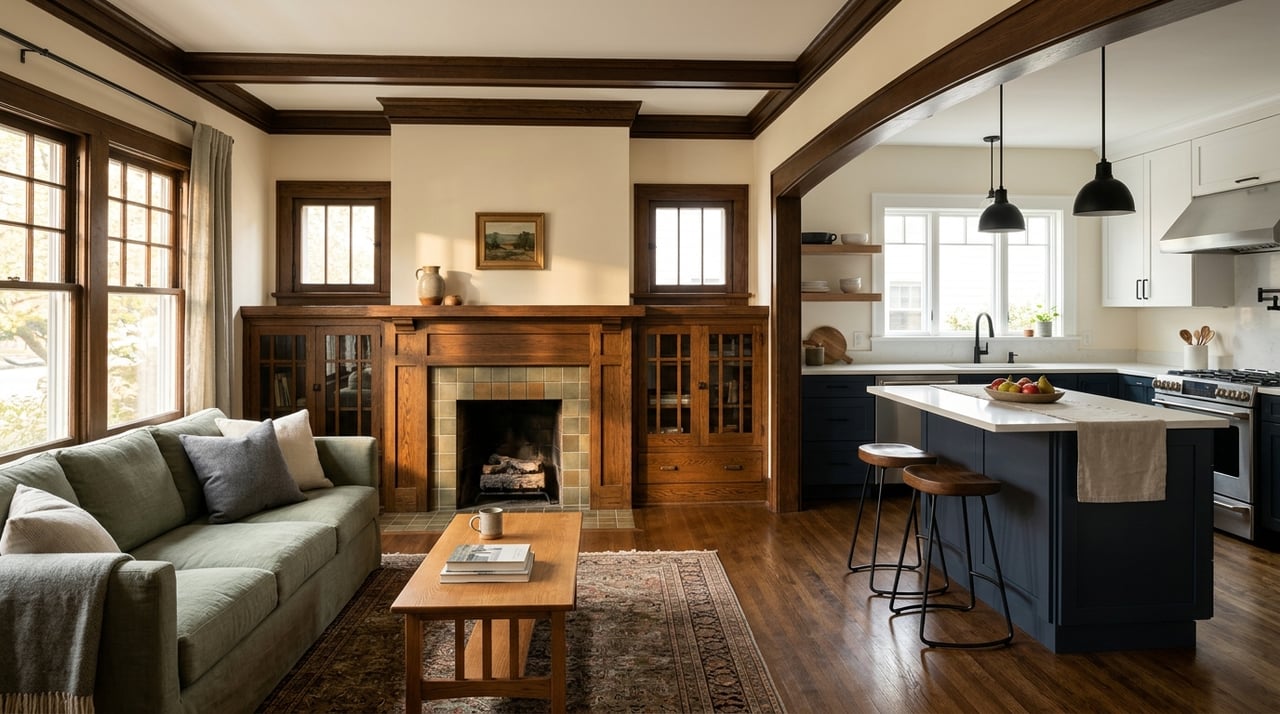
These homes often show best when marketing highlights porches, eaves, wood trim, built-ins, and other details that communicate warmth and craftsmanship. Exterior photos should make those features easy to read.
Tudor and English-style homes
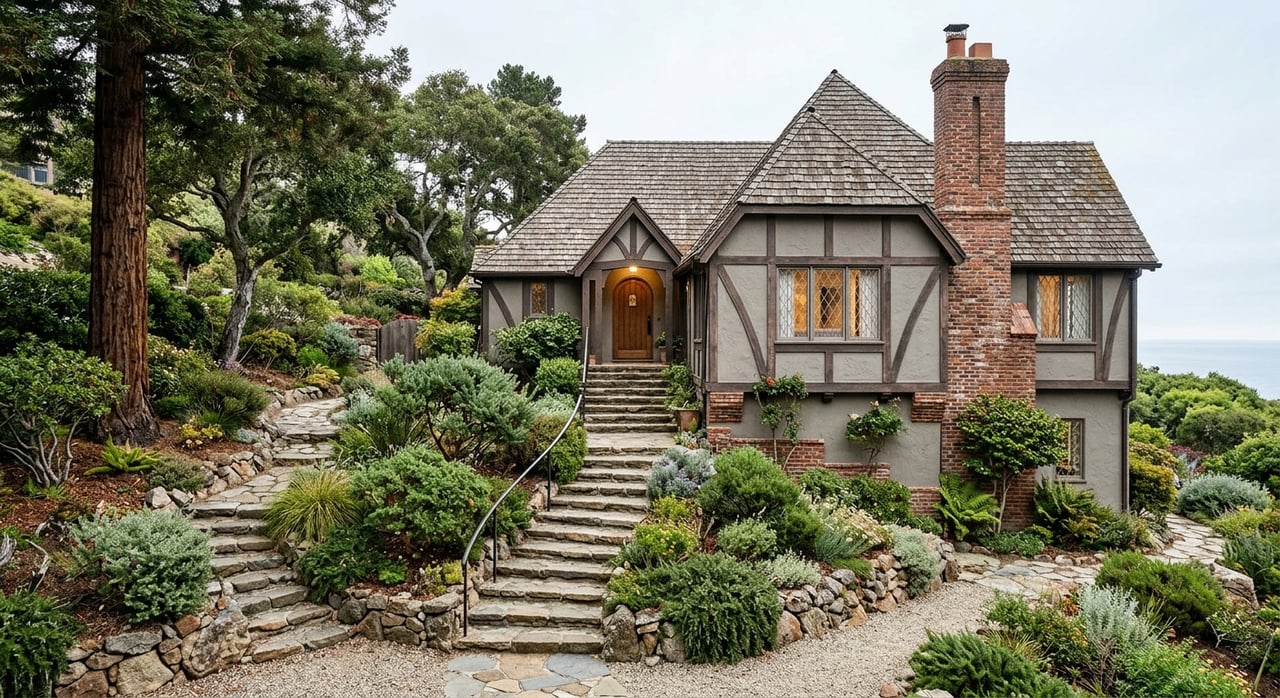
For these properties, rooflines, masonry, leaded windows, and entry details often carry the story. Strong photography can help buyers appreciate the depth and character that make these homes memorable.
Colonial Revival and Foursquare homes
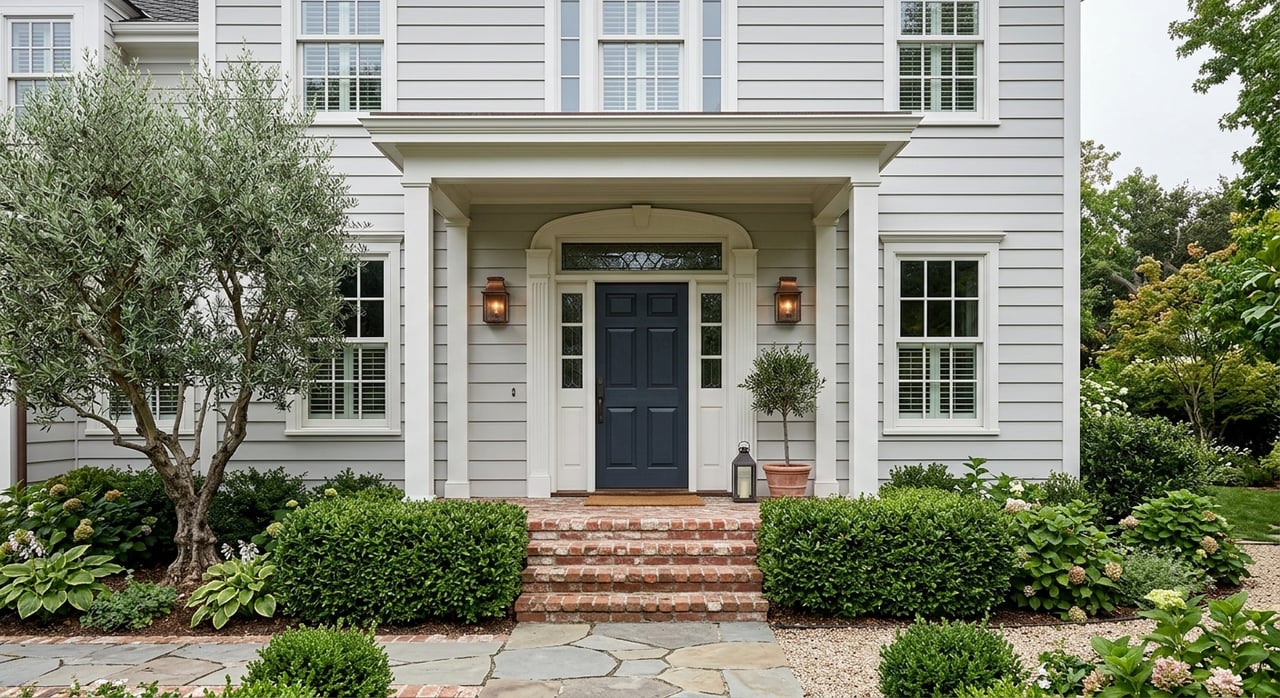
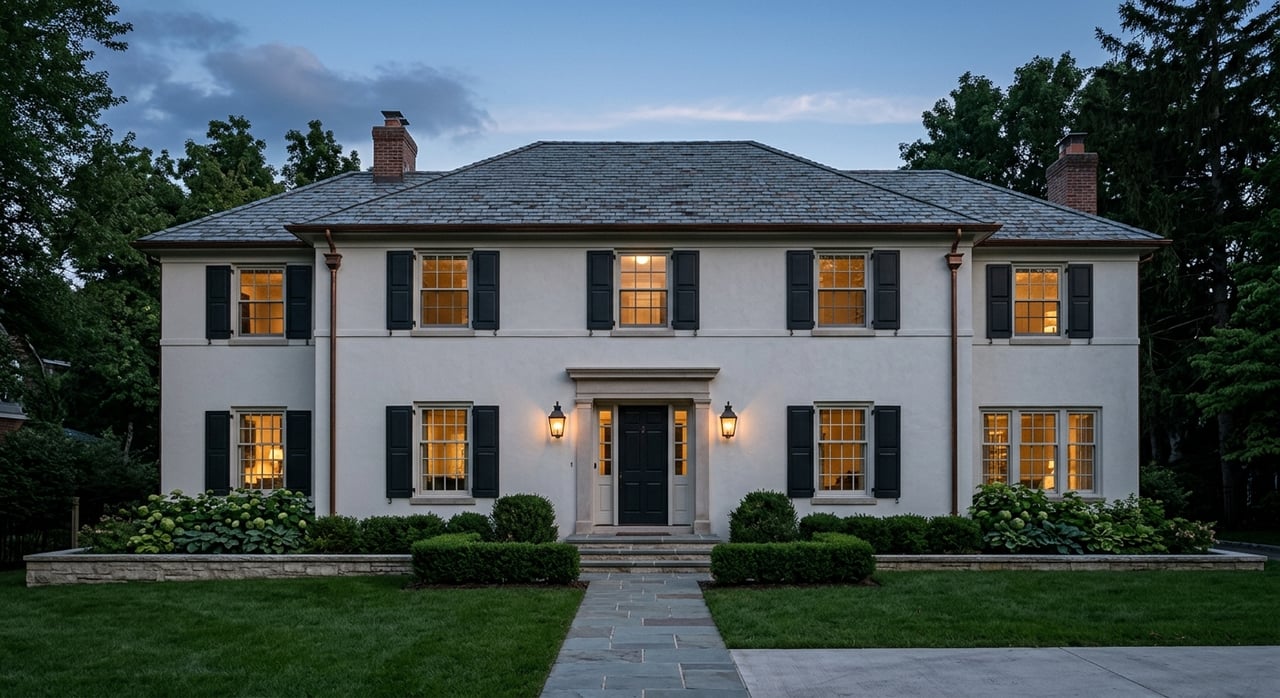
These homes often benefit from clean framing that shows symmetry, proportion, and balanced design. Marketing should avoid cluttered visuals that distract from the home’s structure.
Spanish and Mediterranean homes
These properties often respond well to warm light, arches, stucco textures, and indoor-outdoor transitions. The goal is to present a cohesive visual experience that reflects the home’s architecture.
This style-specific approach is especially important in Piedmont because traditional architectural character continues to matter locally. The city’s 2025 design-standards survey asked residents about matching additions and ADUs to the style and period of the original home, and the city’s pre-approved ADU plans include Tudor, Craftsman, and Spanish designs.
The best marketing begins before photos
A polished launch usually starts with thoughtful preparation. Before listing photography, the most common recommendations in the 2025 staging research were decluttering, whole-home cleaning, and improving curb appeal.
Those three steps can sound simple, but they often create the biggest visual improvement. Clean surfaces, edited rooms, and a tidy exterior help buyers focus on the home itself rather than distractions.
Staging can also be targeted rather than excessive. Buyers’ agents said the living room, primary bedroom, and kitchen were the most important rooms to stage, so sellers do not always need to transform every corner of the house to make a meaningful impact.
For a Piedmont home, preparation should also respect the home’s architecture. The goal is not to erase character with generic design. It is to clarify the home’s best features so buyers can appreciate them quickly.
A complete listing package performs better
Strong marketing is rarely one piece alone. It is the combination of visuals, information, and timing that creates momentum.
NAR guidance points to a full online package that includes professional photos, video, virtual tours, floor plans, and narrative copy that helps buyers imagine life in the home. For Piedmont luxury properties, that combination is especially valuable because buyers often want both emotional appeal and practical clarity.
A complete package can help answer the early questions buyers have before scheduling a tour:
- What is the home’s architectural style?
- How does the floor plan live day to day?
- What period details or design features make it special?
- How does the home relate to its lot, street, and setting?
- Is the property presentation polished enough to justify the asking price?
When those answers are clear from the start, your home is better positioned to attract qualified attention.
Timing and rollout can influence demand
In Piedmont, speed matters, but so does sequence. Launching before the home is fully ready can reduce impact, especially when buyers are comparing polished listings side by side.
Compass offers a 3-Phased Marketing Strategy that can begin as a Private Exclusive, then move to Coming Soon, and then launch publicly on the MLS and third-party sites. According to Compass, this phased approach can help build early demand, create time for staging or repairs, and avoid public days on market or price-drop history before the main debut.
There is an important tradeoff. Compass also notes that off-MLS marketing can limit exposure and reduce showings or offers. That means the right strategy depends on your property, timing, and goals.
For some sellers, a phased rollout creates valuable breathing room to refine the home and test positioning. For others, a direct public launch may be the better fit. The key is having a plan that matches both the property and the market moment.
Pre-listing improvements can support stronger marketing
Some of the most effective marketing decisions happen before the marketing itself begins. Fresh paint, flooring updates, light repairs, and staging often help a home present more clearly and compete more effectively.
Compass Concierge can front the cost of services such as staging, flooring, and painting with zero due until closing. For sellers who want to improve presentation without paying upfront, that can make the preparation process more manageable.
In practice, this supports both marketing and logistics. Instead of delaying the listing while trying to coordinate projects on your own, you can move through a more organized seller-prep process designed to improve launch quality.
Great marketing blends art and strategy
The best Piedmont listings do not rely on pretty photos alone. They combine design awareness with local judgment, pricing strategy, and negotiation strength.
That blend matters in a market where homes can move quickly and buyers often make decisions based on both data and emotion. A strong campaign should make your home feel desirable, but it should also support the larger goal of attracting the right buyers at the right moment.
In a style-conscious market like Piedmont, that means understanding what buyers respond to, how the home should be prepared, which details deserve emphasis, and when to bring the listing to market. When those pieces work together, marketing becomes a driver of results rather than a box to check.
If you are preparing to sell a Piedmont home, a calm, tailored strategy can make all the difference. For thoughtful guidance on pricing, preparation, staging, and launch strategy, connect with Teri Carlisle & Alexandra Dierkx.
FAQs
How does marketing help a Piedmont luxury home sell faster?
- Marketing helps buyers connect with the home before they visit in person. Research cited above shows staging can reduce time on market, and Piedmont homes already move quickly with a median of 12 days on market over the three months ending April 2026.
What listing photos matter most for a Piedmont home?
- The most effective photos usually show both overall layout and architectural character. In Piedmont, that can include rooflines, porches, masonry, trim, symmetry, windows, and the relationship of the home to its setting.
Should you stage every room before selling a Piedmont house?
- Not always. The 2025 staging report found that buyers’ agents viewed the living room, primary bedroom, and kitchen as the most important rooms to stage, so a focused approach can still be effective.
What should you do before professional listing photography in Piedmont?
- The most common pre-photo recommendations are decluttering, whole-home cleaning, and improving curb appeal. These steps help your home photograph more clearly and present better online.
What is a phased marketing strategy for a Piedmont home sale?
- Compass describes a phased strategy as starting with Private Exclusive, moving to Coming Soon, and then launching publicly. It can help build demand and give you time to finish preparation, though off-MLS exposure may also reduce showings or offers.
Why does architecture matter so much in Piedmont listing marketing?
- The City of Piedmont identifies a large share of the housing stock as pre-1940 and highlights several historic architectural styles. Because buyers often respond to period character, marketing that clearly presents those features can help a home stand out.